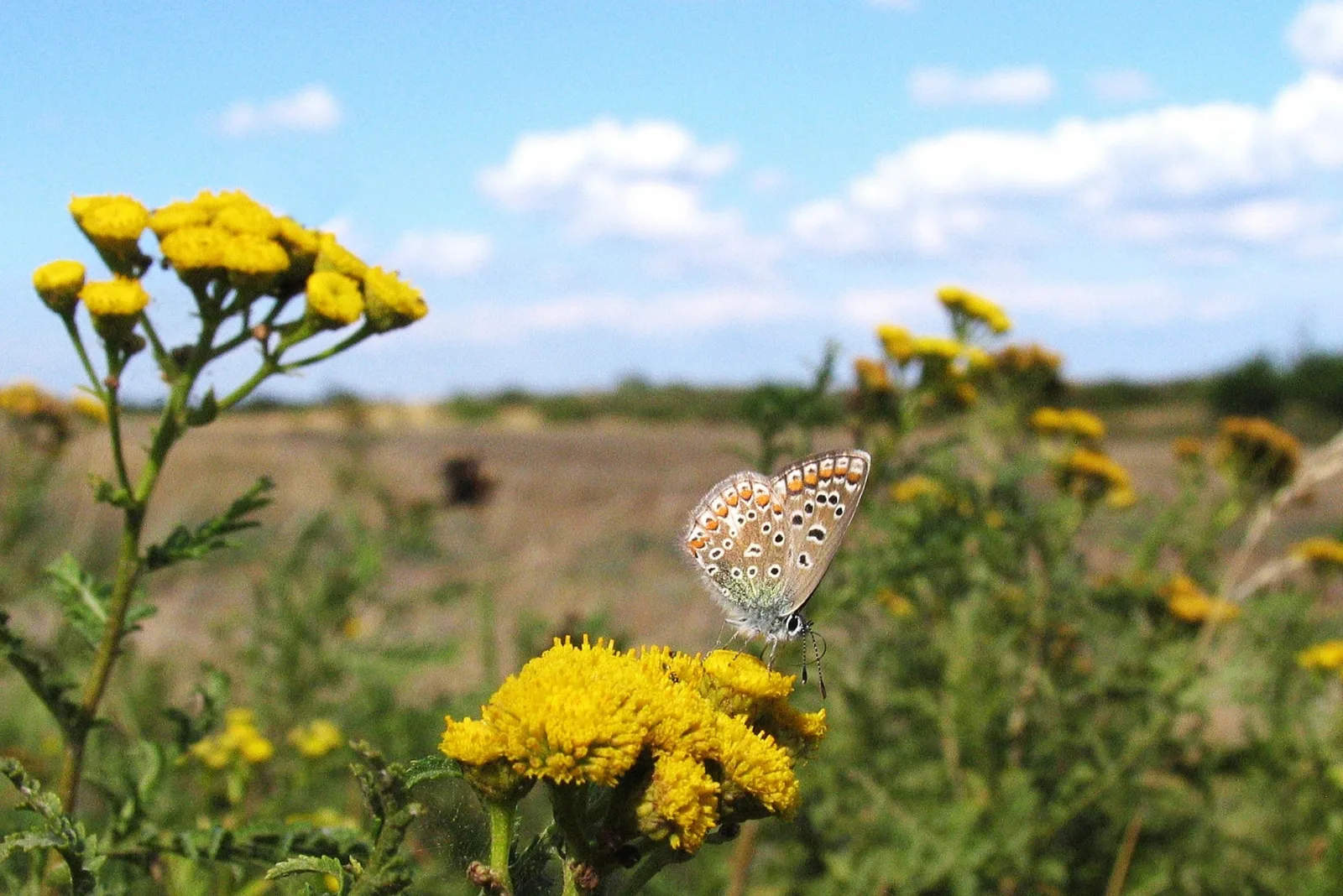
Butterflies are beautiful insects. Everyone knows the large, handsome butterflies we see in our gardens. Especially if you have a Butterfly Bush (Buddleja) in flower – then there are often a great many of them. In Denmark there are about 70 different butterflies, of which we meet only a few in our gardens – the rest have to be experienced out in the Danish countryside. That is, in woods, on heaths, along verges, by beaches, in meadows, in bogs and so on.
The joy of butterfly watching
Watching butterflies is a healthy and rewarding pastime. As a so-called nature rambler you get exercise and fresh air while enjoying good experiences of nature. You also quickly discover how many butterflies there actually are in the wild that you easily overlook unless you are deliberately looking for them. This applies especially to the smaller species, such as the various species of blue. What is more, your curiosity can lead you to interesting natural areas you would otherwise never have visited.
Some small butterflies6 photos
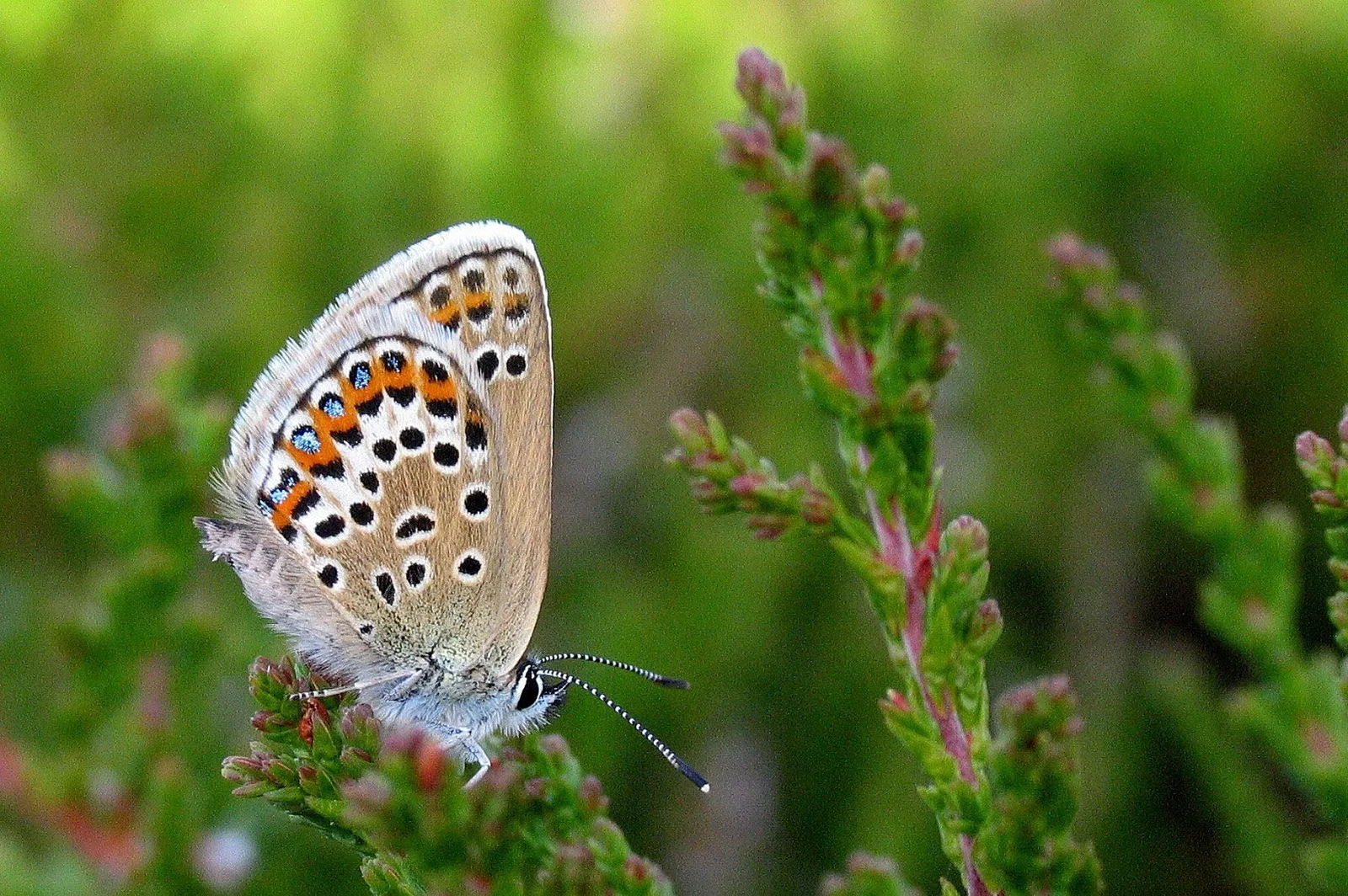
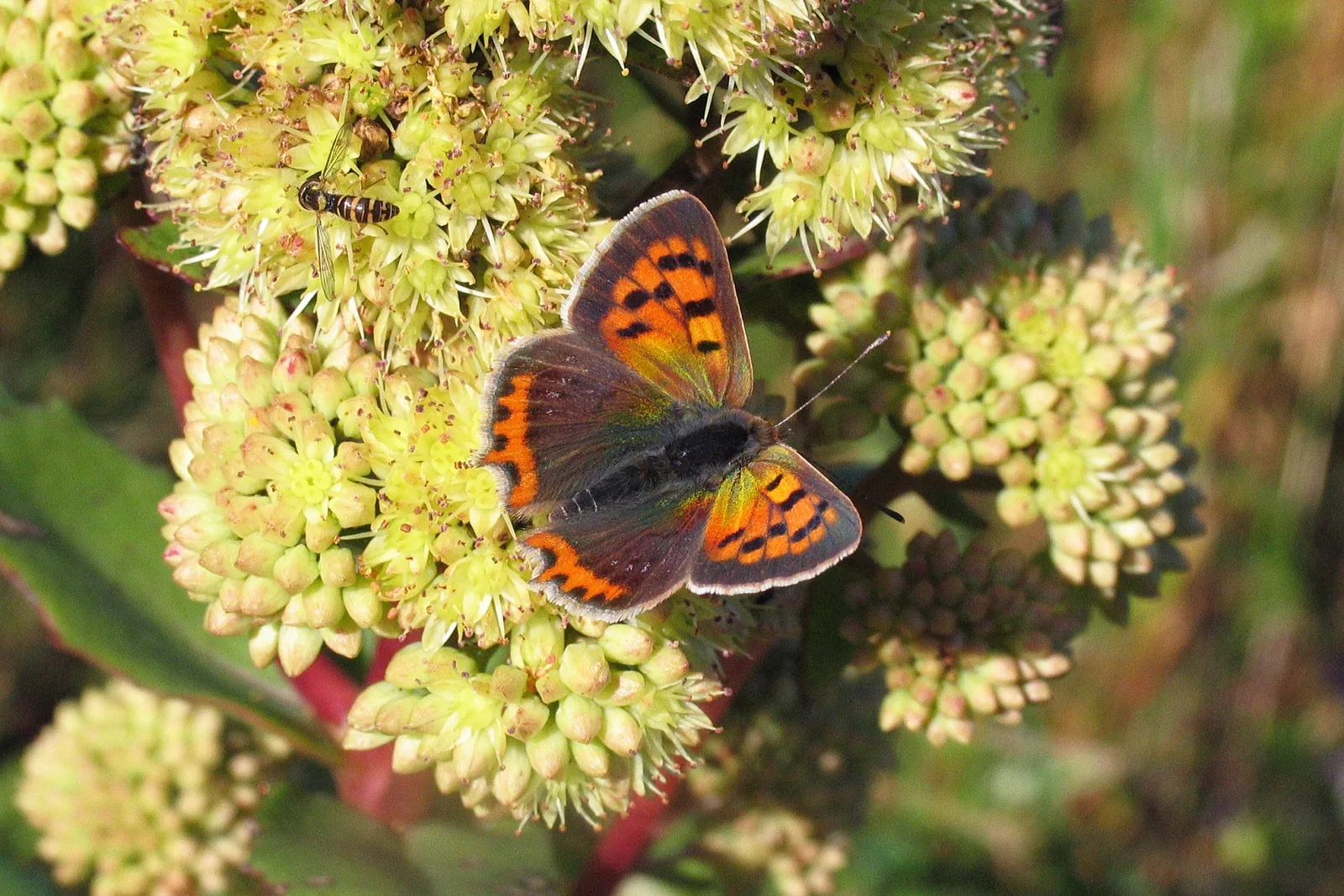
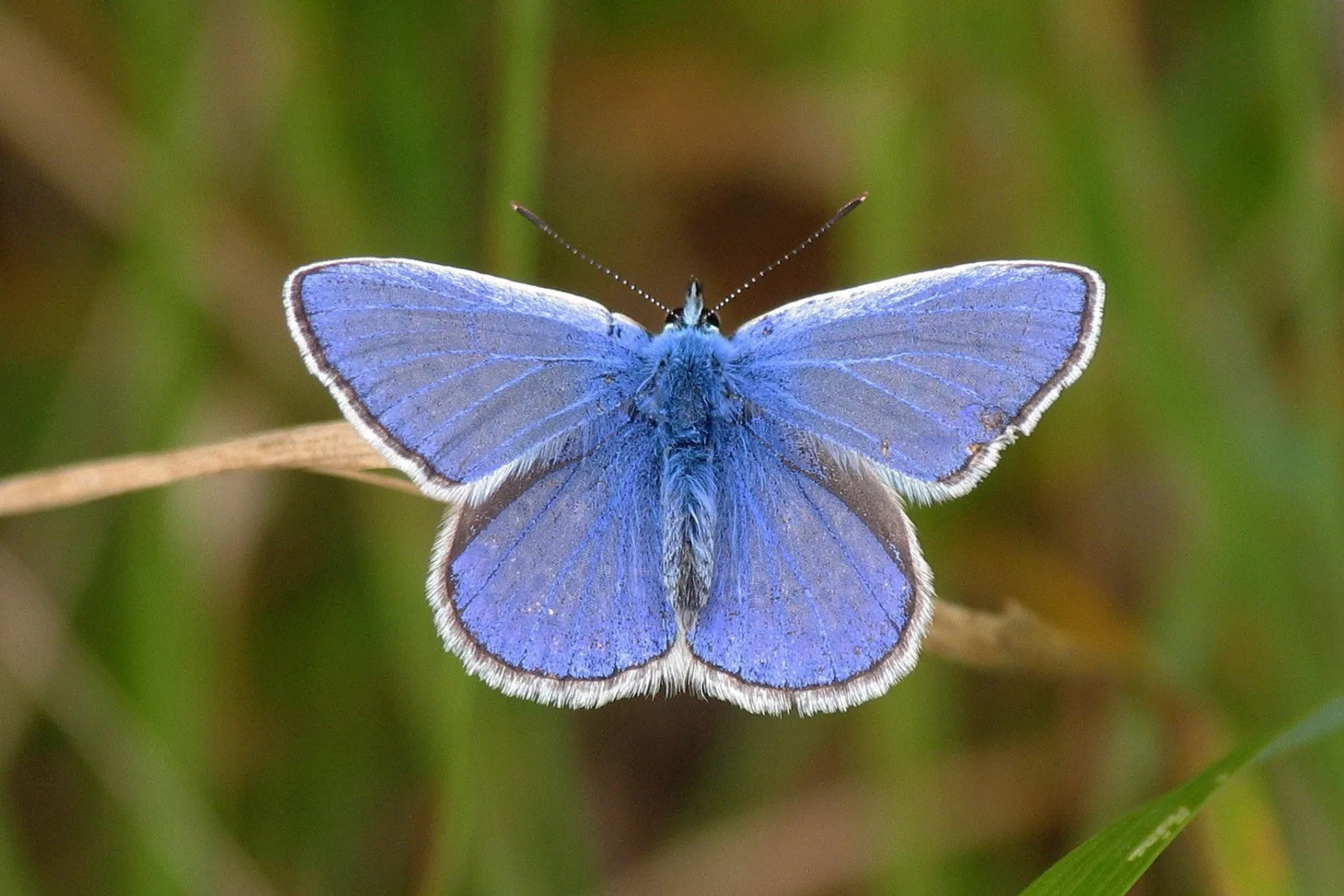
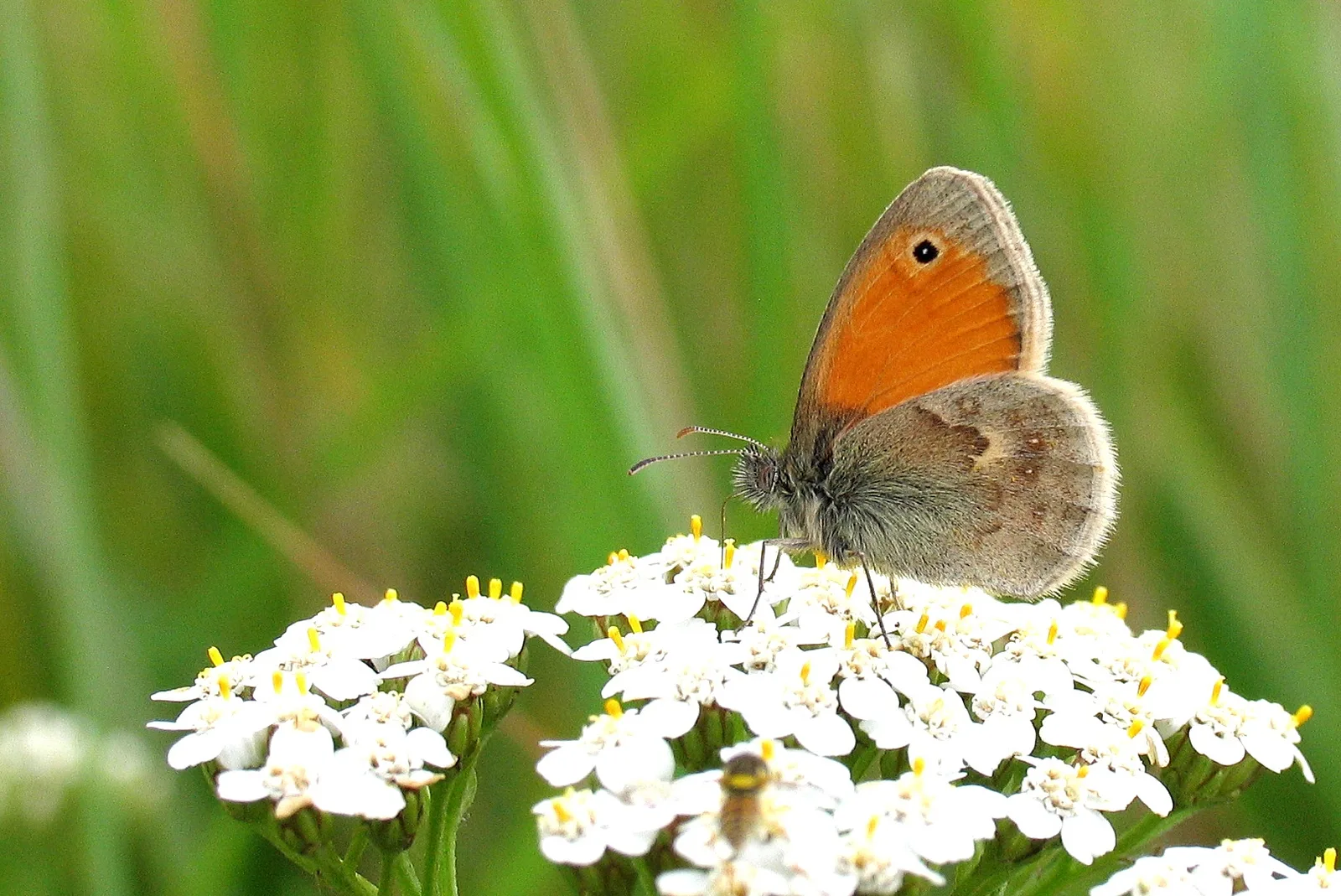
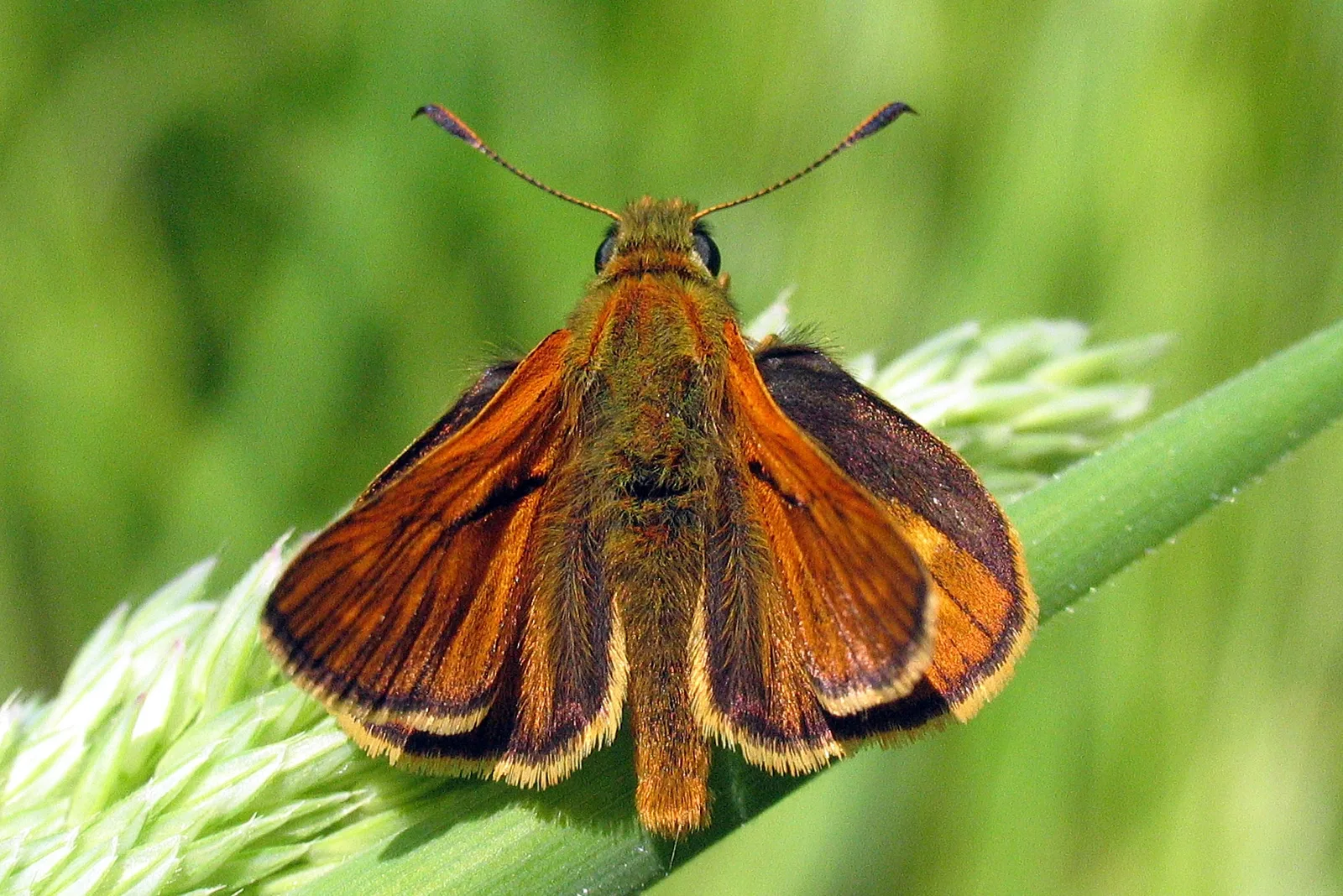
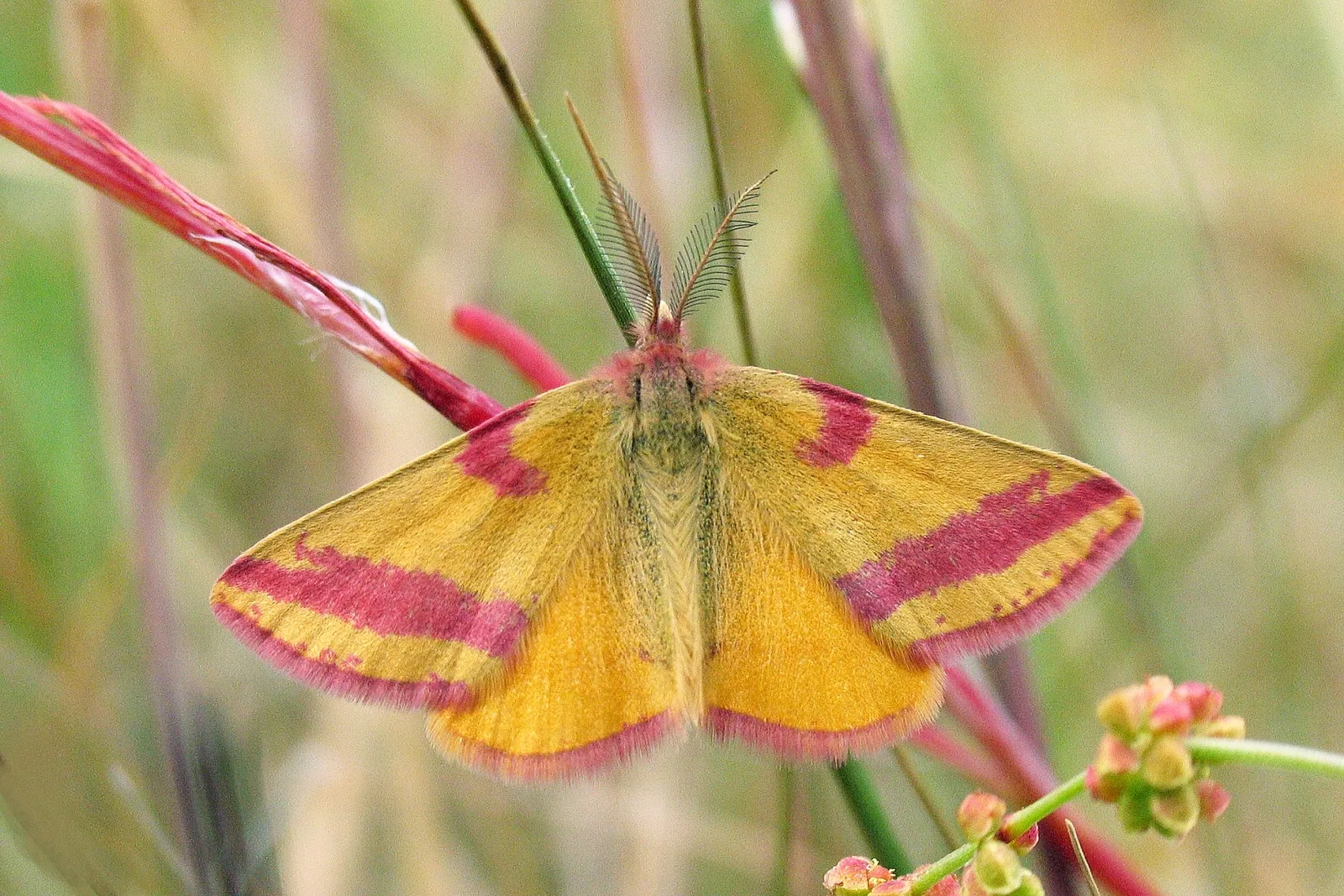
Photographing butterflies
As a beginner it is hard, at first glance, to tell one butterfly from another. It is therefore almost a matter of course that you would like to take a picture of the “creature” home with you – to identify it later. The closer you can get to the “creature”, the better the picture you can take. You don't need an expensive system camera and advanced accessories, just an ordinary all-round digital camera. Besides a zoom, though, it should preferably have a so-called macro function, so that you can photograph the subject at very close range. If you have no camera, you can use your mobile phone.
Tips for butterfly photography
In time you quickly learn a few rules of thumb for rambling through the countryside. My experience is as follows:
- Butterflies prefer good weather. Rain and strong wind are not their favourite weather, and they will look for sheltered spots. Windy weather makes photography difficult, as butterflies that are, for example, taking nectar from flowers sway as the wind blows.
- The best pictures are taken in partly sunny and overcast weather. The soft light is often better than the harsh sunlight on cloudless days.
- The best time of day is the morning – and preferably early. Butterflies become more active and shy as the day goes on. Second best is the afternoon. The high midday sun makes for difficult lighting. Many butterflies also take a midday break, especially in very hot weather.
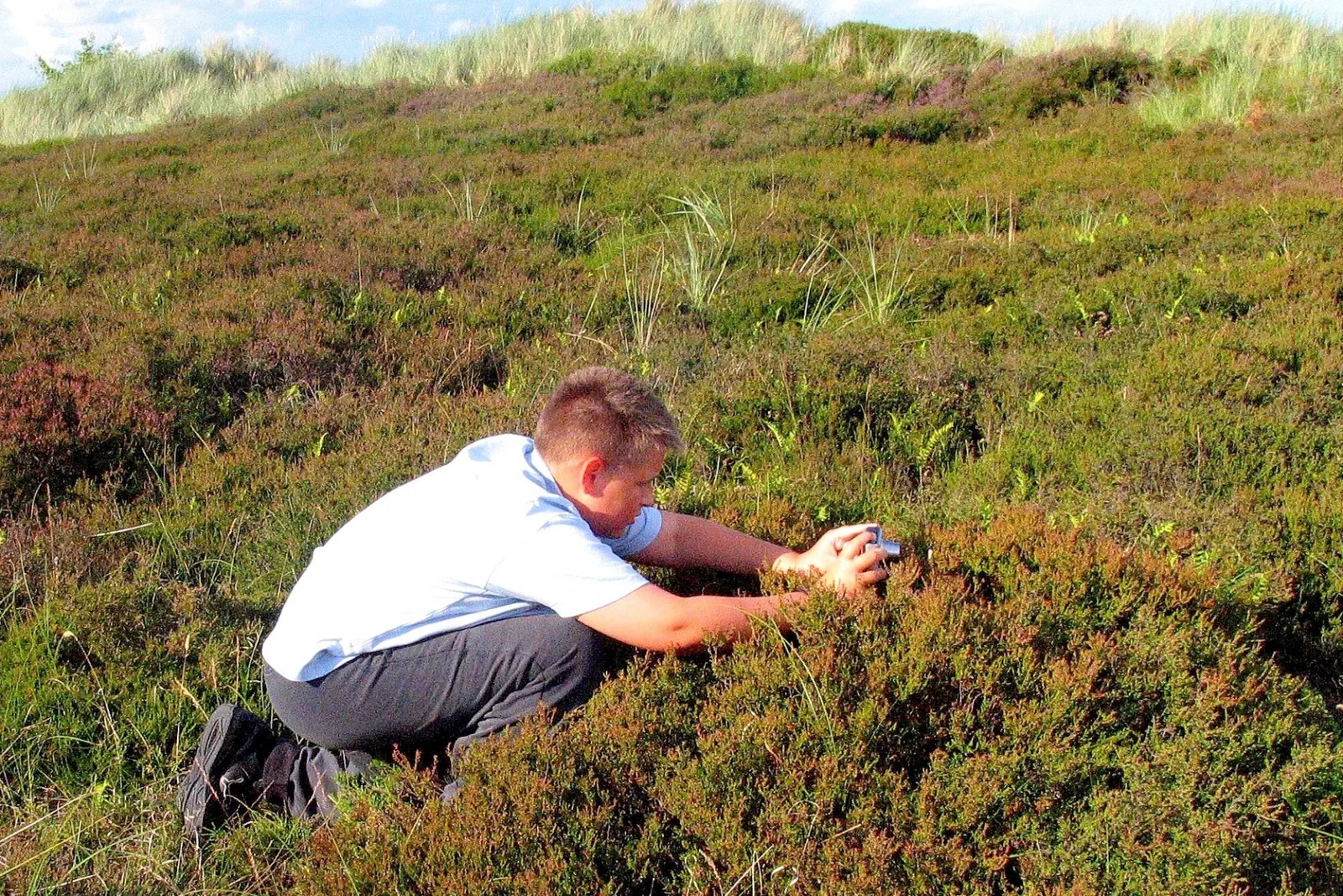
- Avoid quick movements. Butterflies are very shy and are easily startled by sudden movements and changes in light and shade. So always approach them slowly, keeping low and without casting a shadow on them. Rather like a cat stalking its prey with calm, gliding movements.
- Choose the “right” clothing. Butterflies are easily startled by even small changes in their surroundings. You should therefore avoid clothing that differs too much from the colours of nature. Among other things, that means avoiding loud colours.
- Be patient. Getting into the right position and close to the butterfly takes practice and a great deal of patience. Some butterflies are shyer than others, and some situations are often better than others. For example, when butterflies are taking nectar from a flower, they are often easier to approach than when they are resting.
- An actual “hunt” may be the last resort. When the butterfly is very shy and keeps flying off, you more or less have to “chase” it gently from place to place to get a picture in the bag. And after a long “hunt” you may find that it has almost got used to its stalker, and in the end it poses and all but says, “Oh, just take that picture so I can have some peace.”
- It can take many attempts. If you are aiming for a collection of fine butterfly pictures, it often takes – besides a steady hand – many attempts before you have the “right” picture in the bag. So always take several shots of the subject – if possible. With a little practice and good knowledge of your camera, the results will be clearly better.
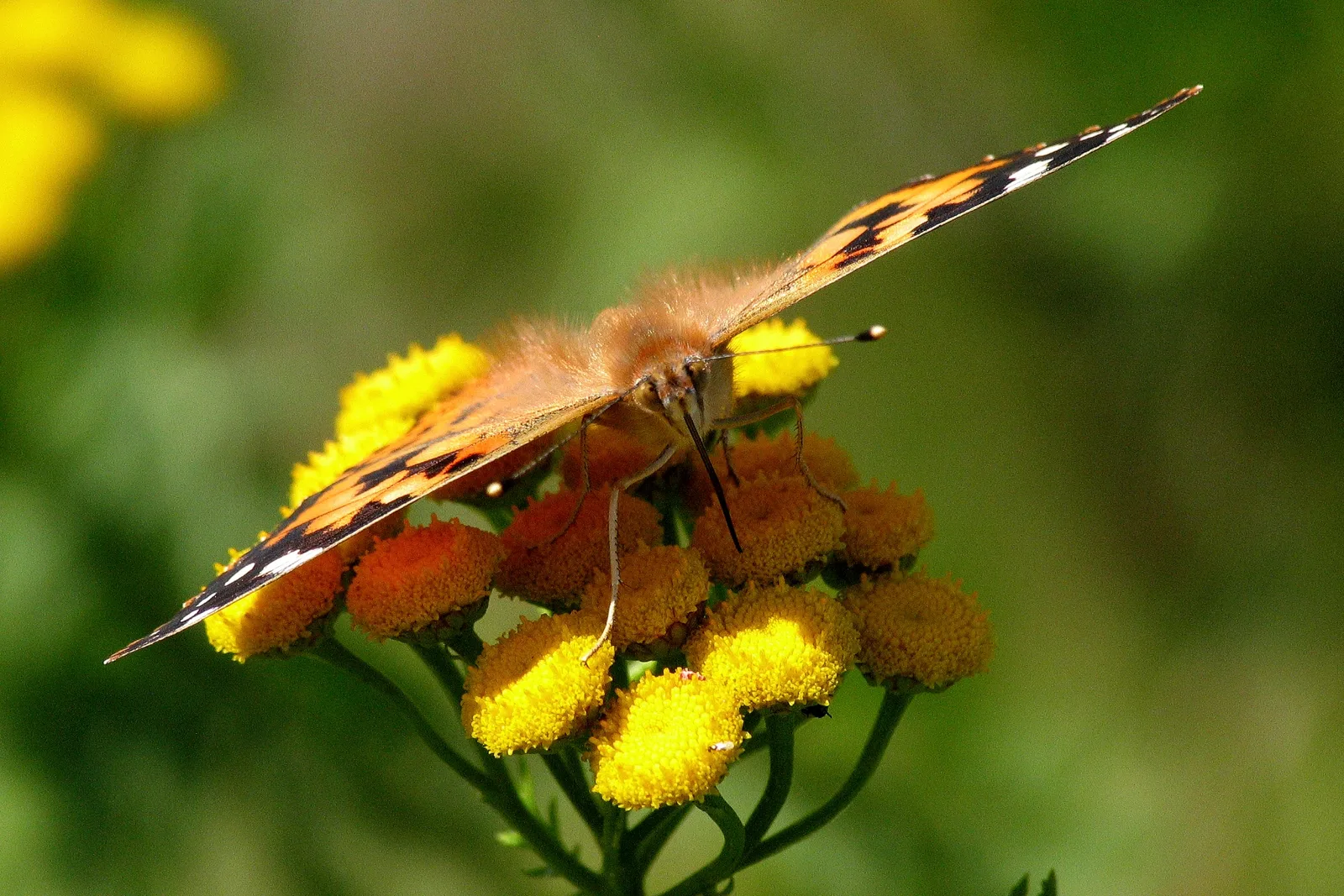
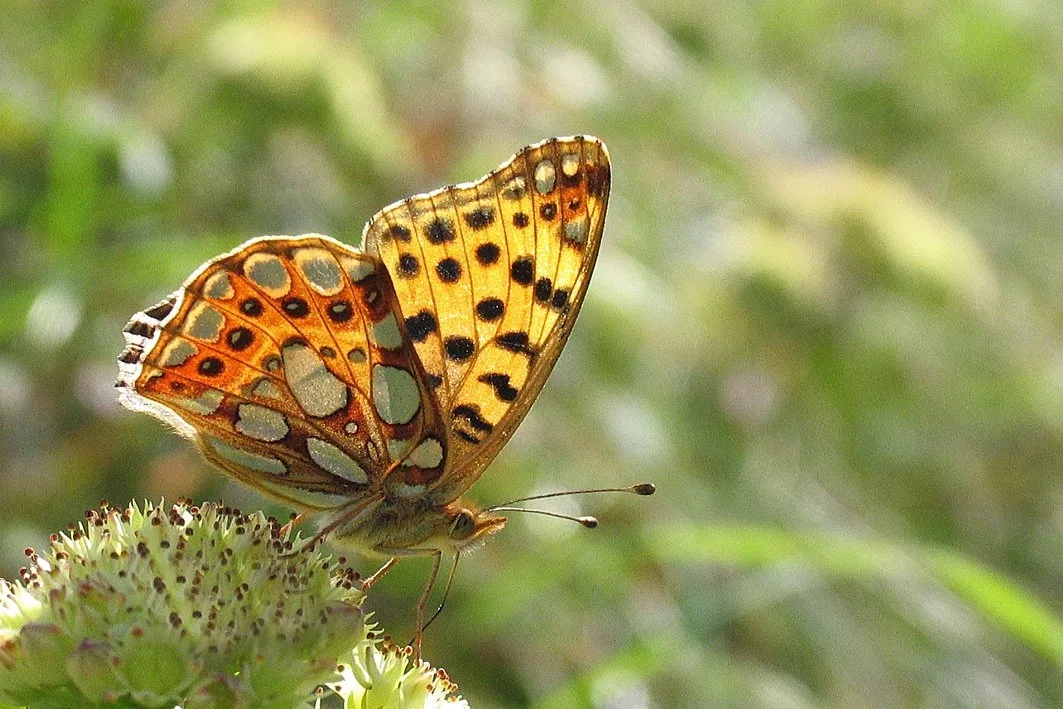
- The best pictures are taken at “eye level” with the butterfly or from an even lower position, so that you are almost photographing upwards. A patch of blue sky adds an extra dimension to the picture. In time you can experiment with backlighting or side lighting, which shows off the butterfly in a different way.
Example photos7 photos
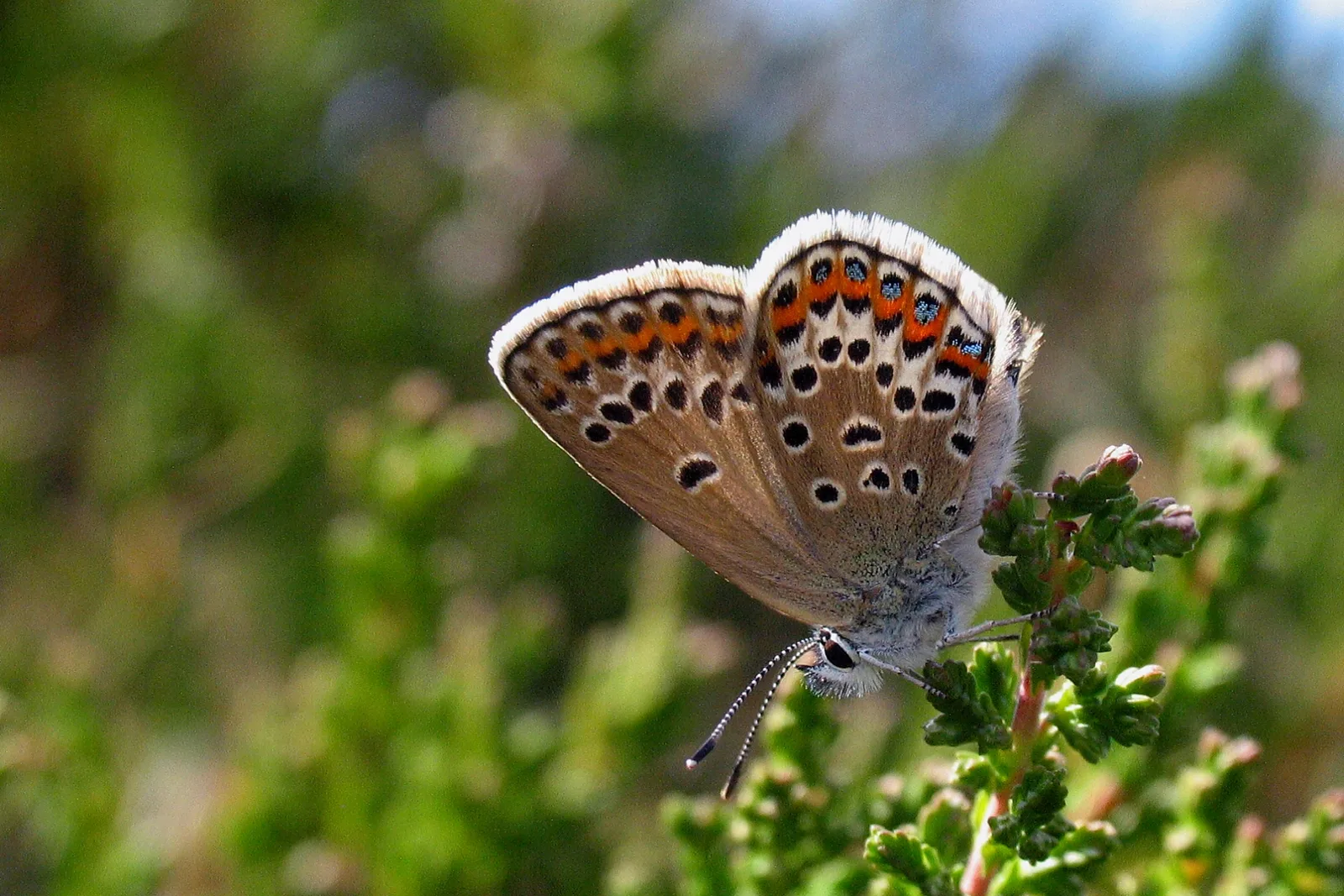
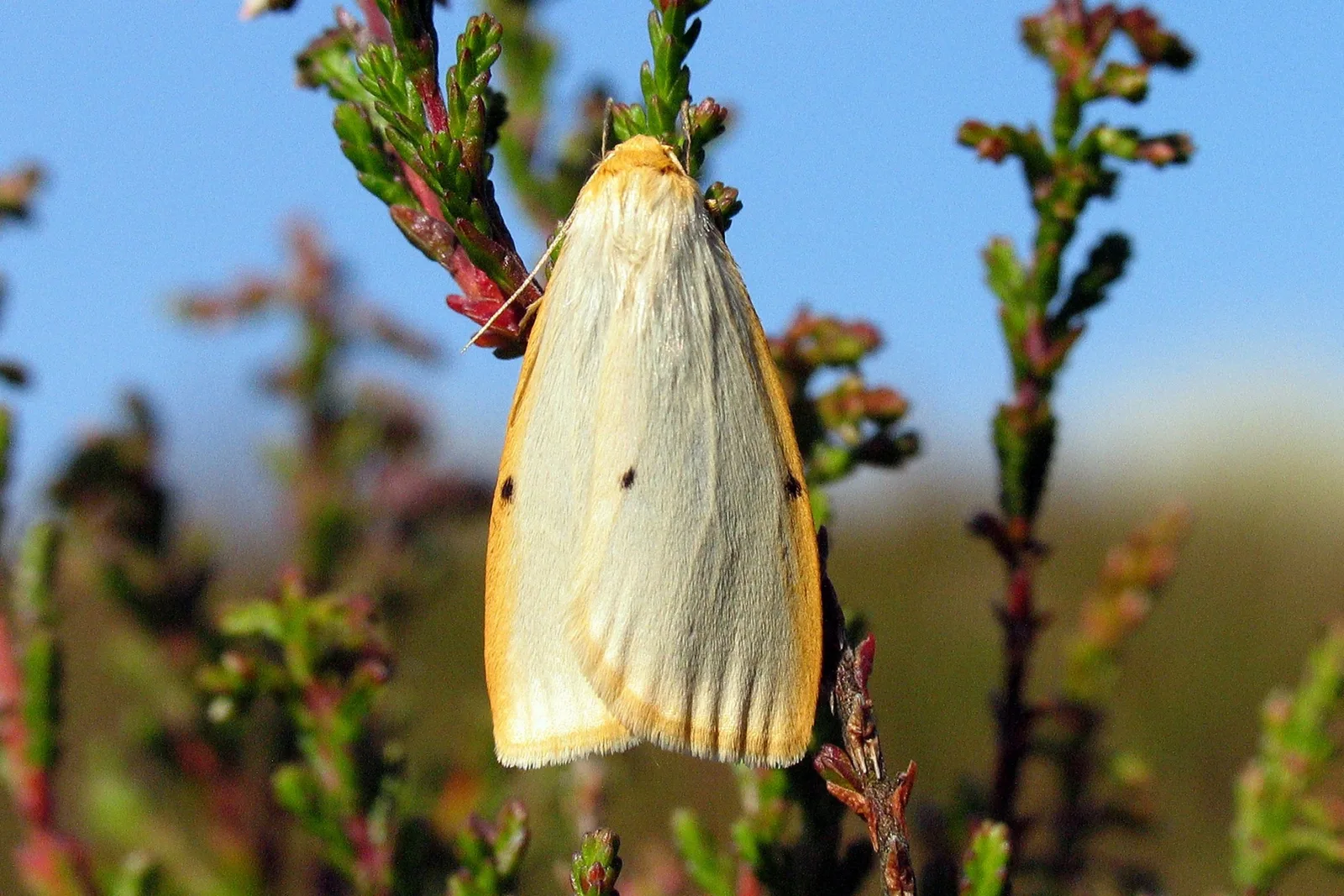
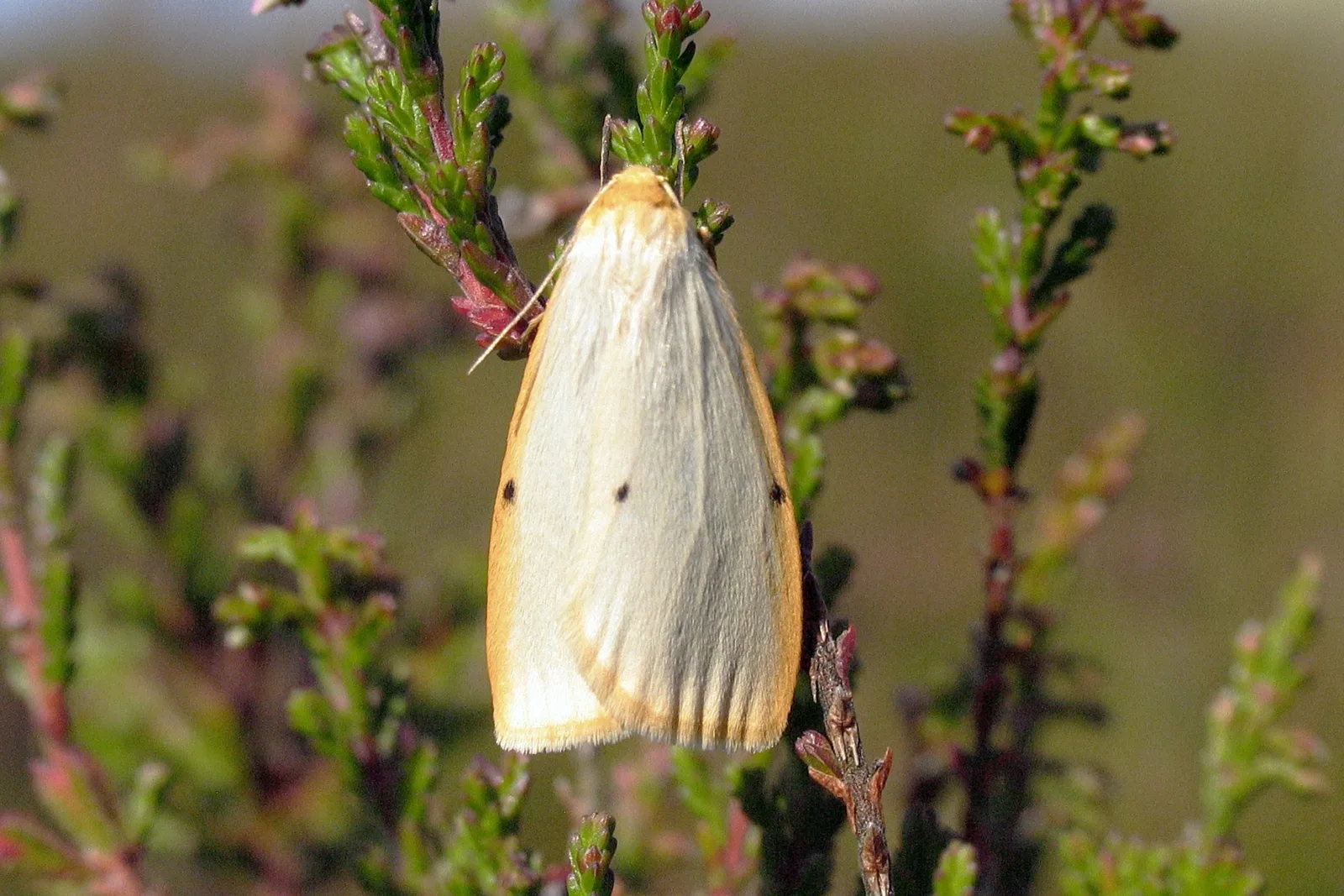
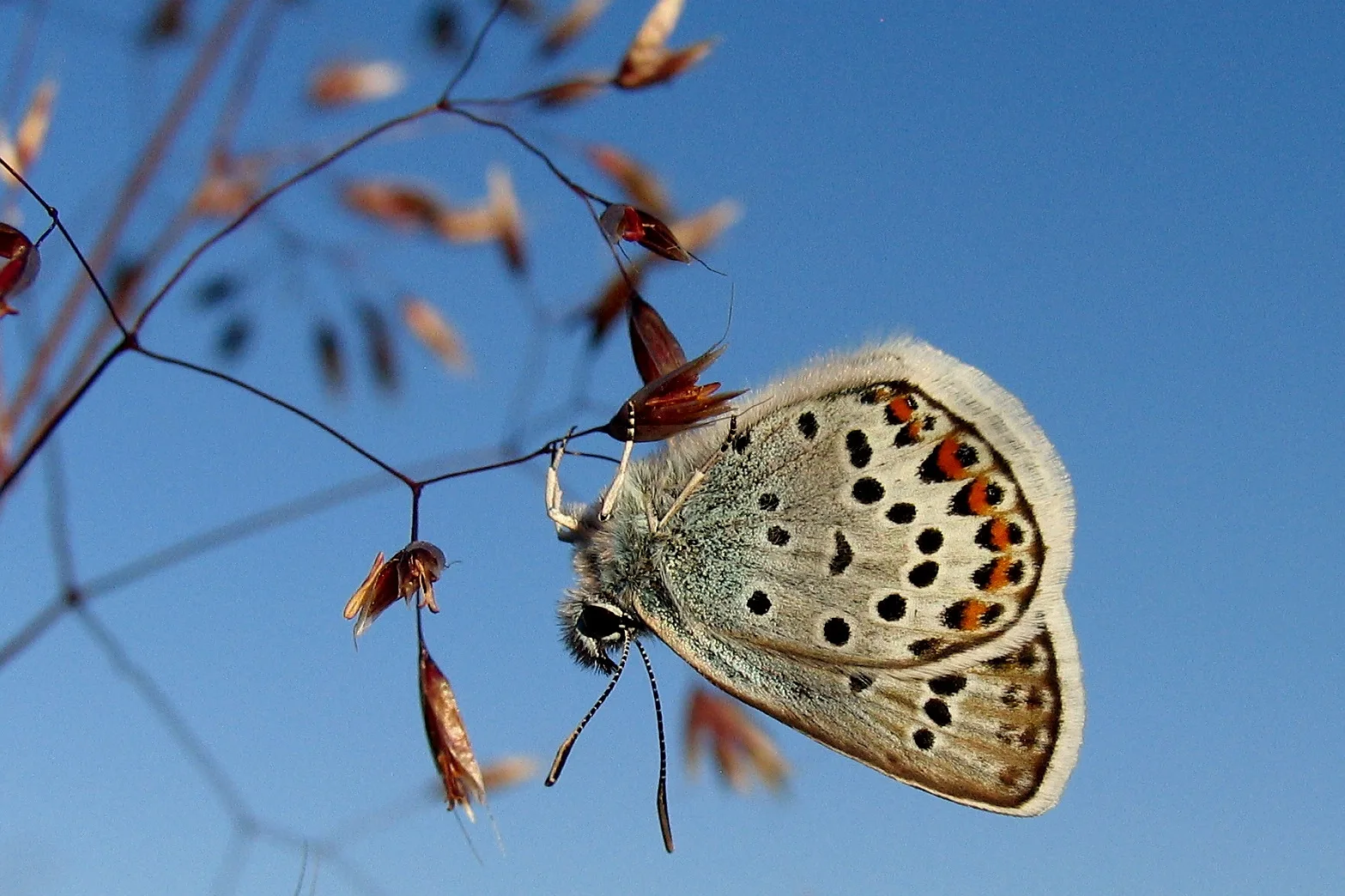
Learning more about butterflies
A good butterfly book is indispensable for identifying what you have caught on camera. There are many books on the market – both for beginners and for the more experienced. If in doubt, start by borrowing a few from the library. If your picture was taken with a mobile phone, you can get a reasonably good suggestion for your “catch” on the spot by using Google Lens.
You can also look for help online. A very good place that can be recommended is the (Danish-language) website https://www.naturbasen.dk, where you can ask questions in the forum and have your butterfly identified – or, for that matter, any find of animals and plants in the Danish countryside. Many users with an interest in nature are more than willing to help.
Butterflies in your own garden
If you have a garden and would like plenty of visits from butterflies, you can make it more attractive to them and to other insects. Danmarks Naturfredningsforening (DN) has lots of good advice on how best to help our wildlife in your own garden. For instance by creating a butterfly garden. It makes life easier for the butterflies, and you get a garden full of flowers where you can enjoy the lovely sight of the visiting butterflies. You can find DN on the website https://www.dn.dk.