Bøtø Nor
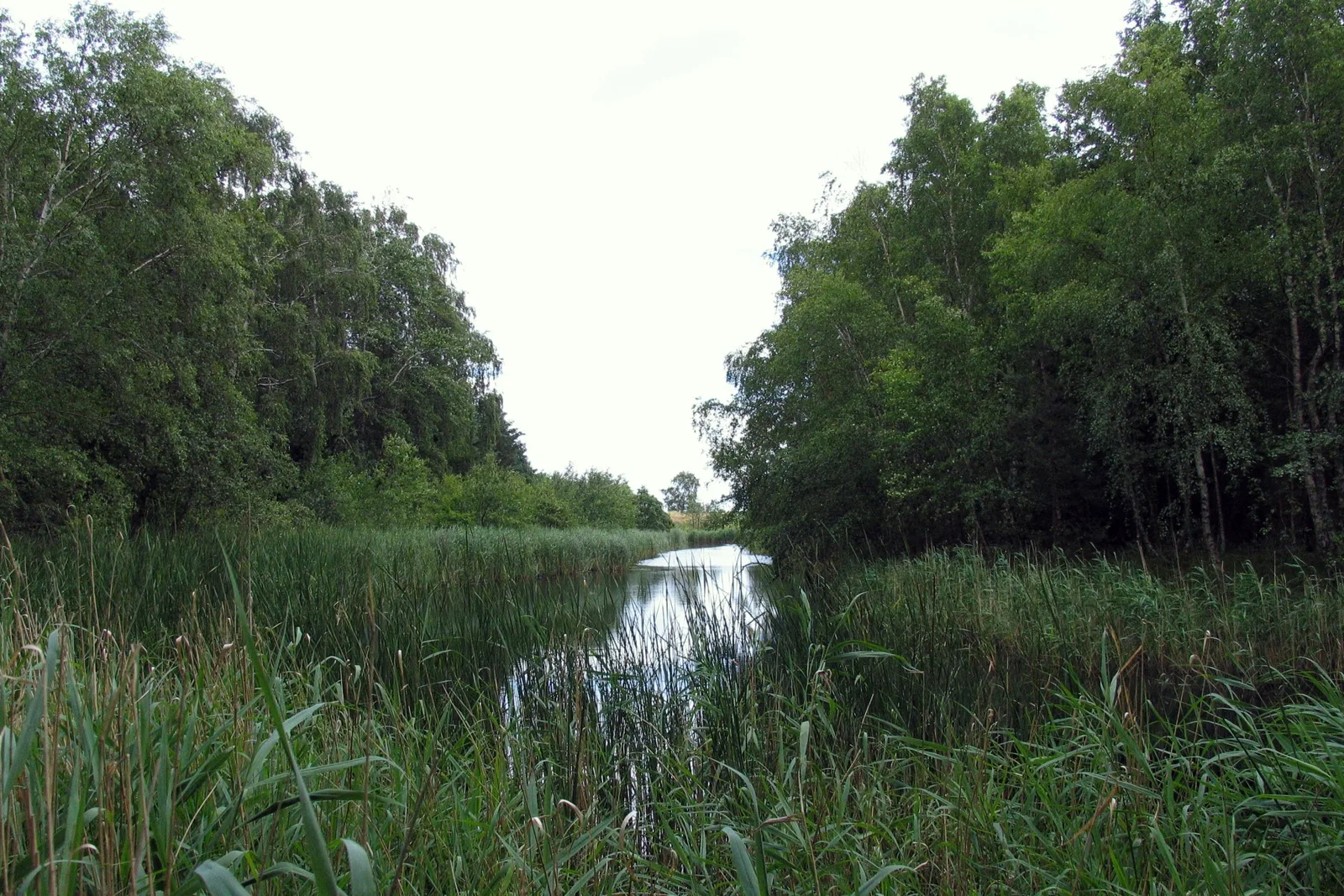
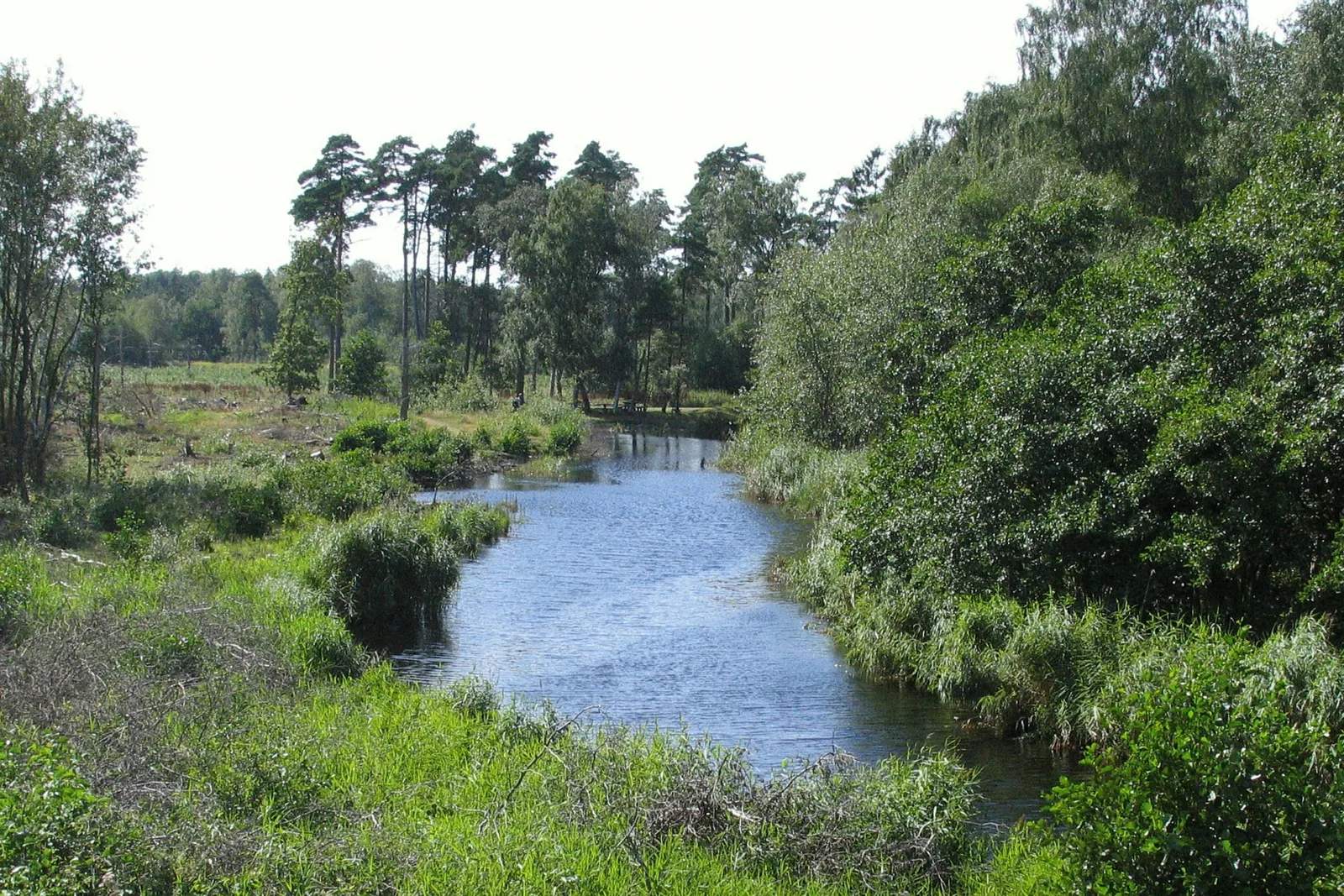
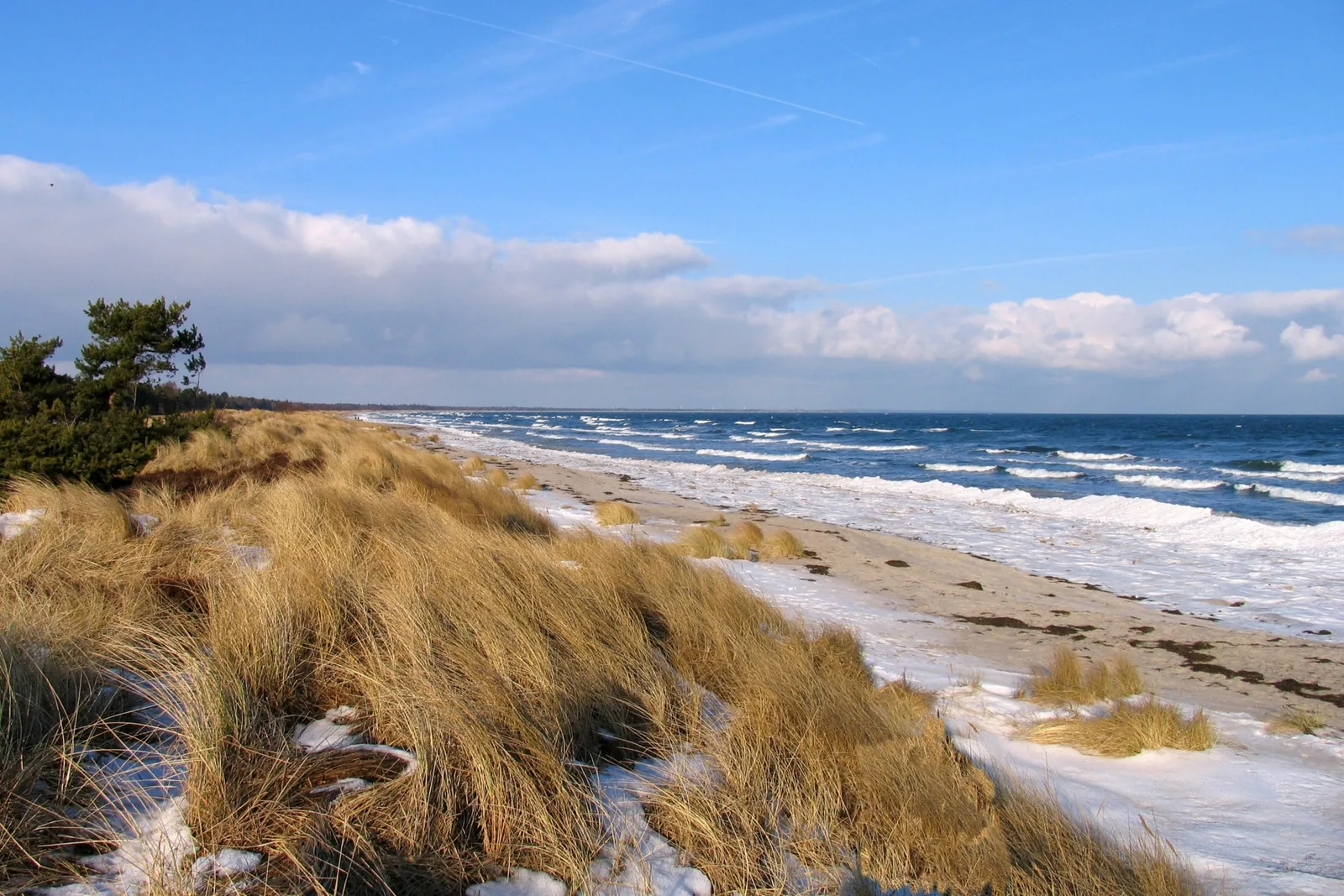
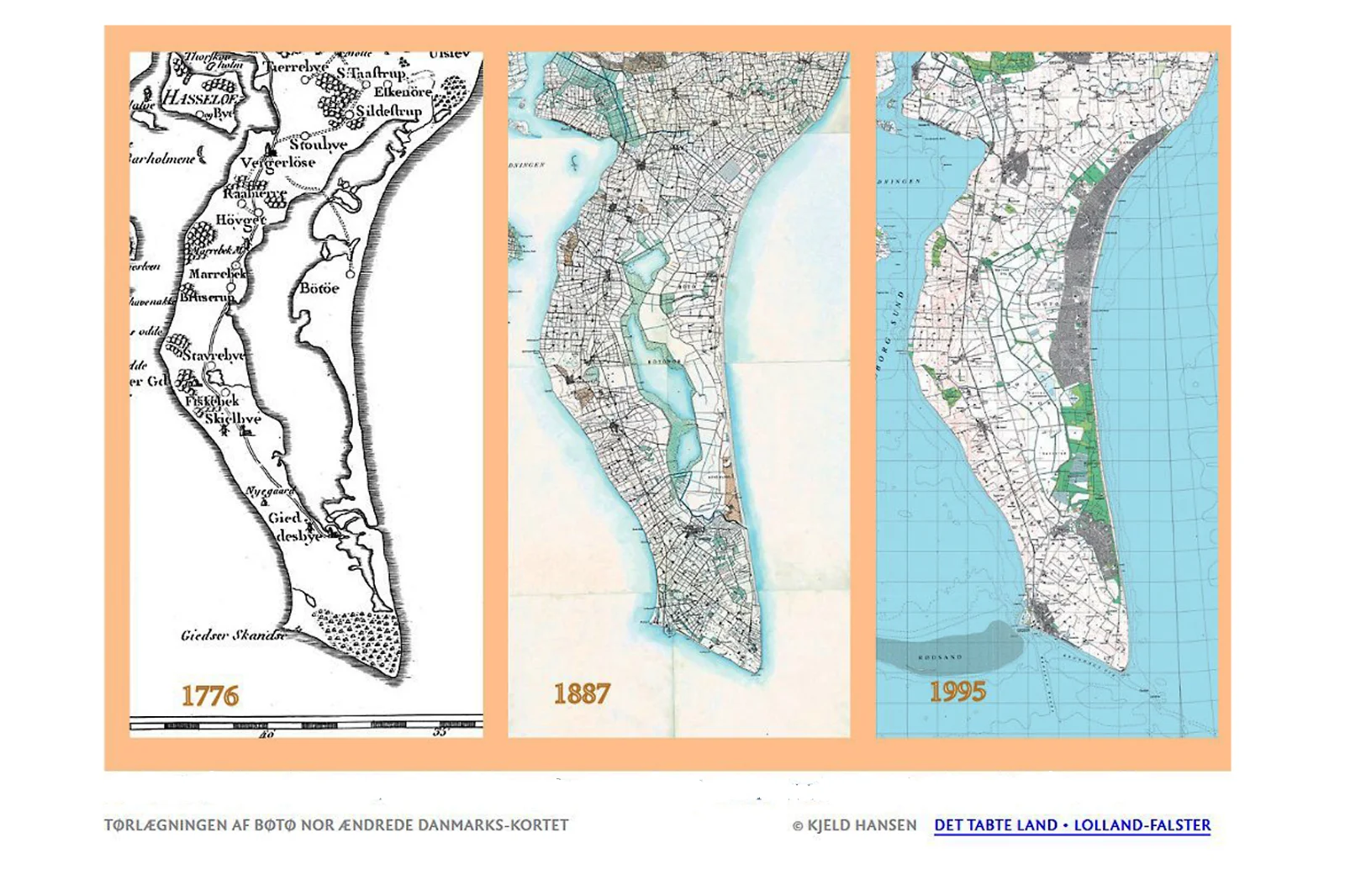
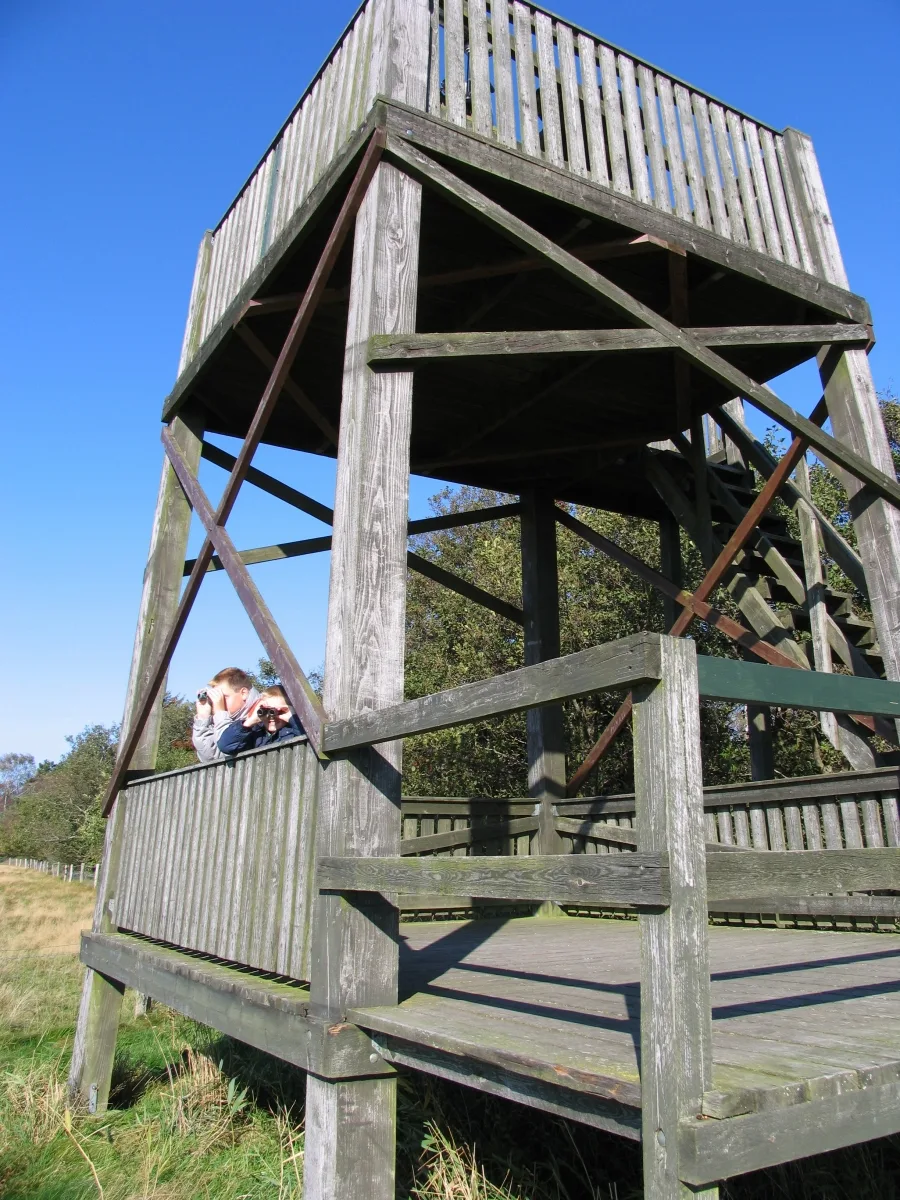
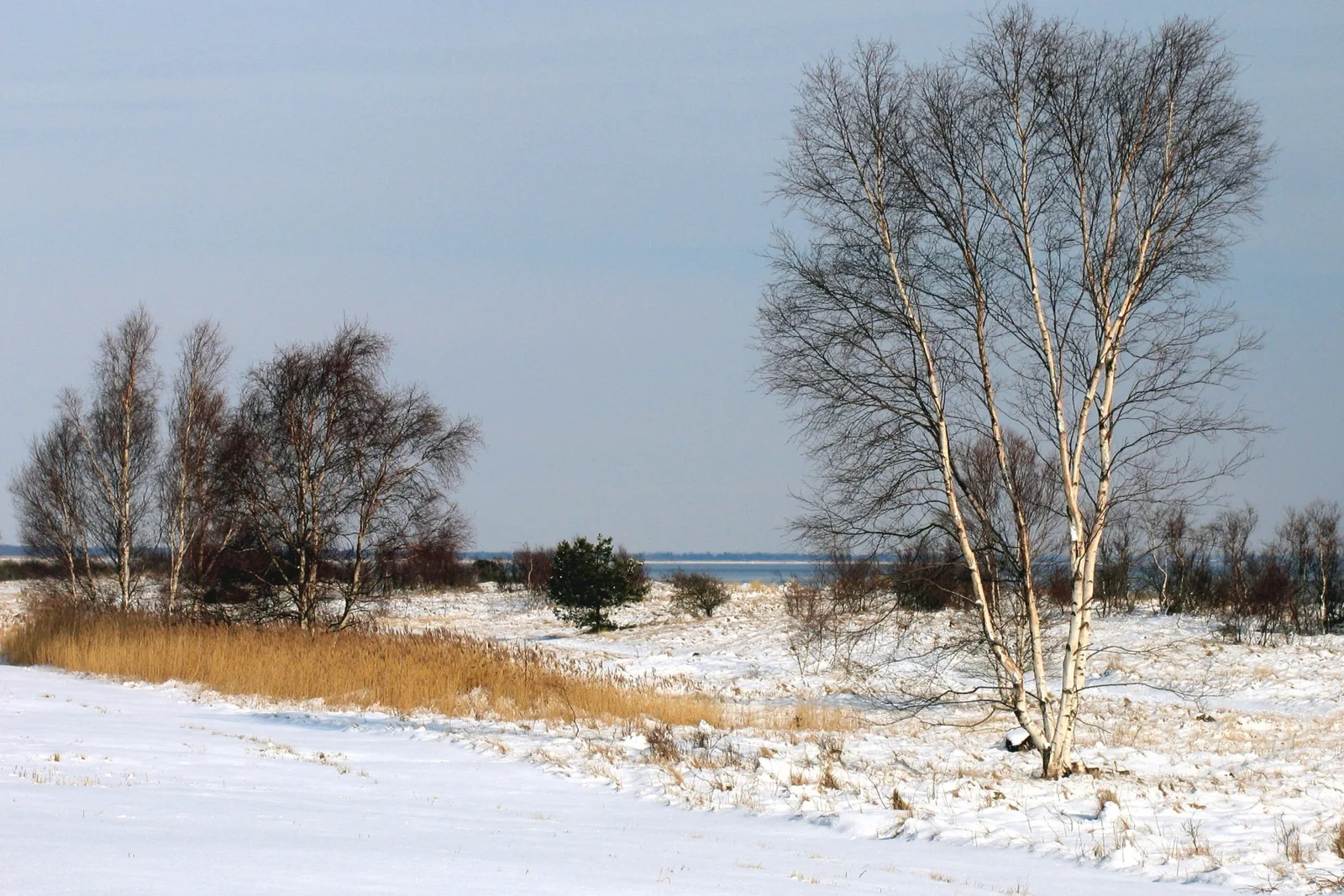
Bøtø is a place name today, but it was originally the name of a sandy island. As sand built up, the island grew together in the 19th century with the neighbouring islands of Langø and Bøtø Fang, forming a long, sandy dune landscape that we know today as the stretch of Baltic coast between Sildestrup in the north and Gedesby in the south. Behind these three merged islands a lagoon 15 km long and up to 1 km wide was formed – called Bøtø Nor. The extensive work of draining Bøtø Nor began in 1860, and the area is now almost entirely dry thanks to a system of drainage channels and pumping stations. Today Bøtø Nor is almost synonymous with a 175 ha protected nature area that includes the Bøtø Nor bird reserve. But in fact this is only a very small part of the original Bøtø Nor of 2,245 ha – most of the rest has been turned into farmland. From two towers you can look out over the bird reserve.
The dike and the summer house area
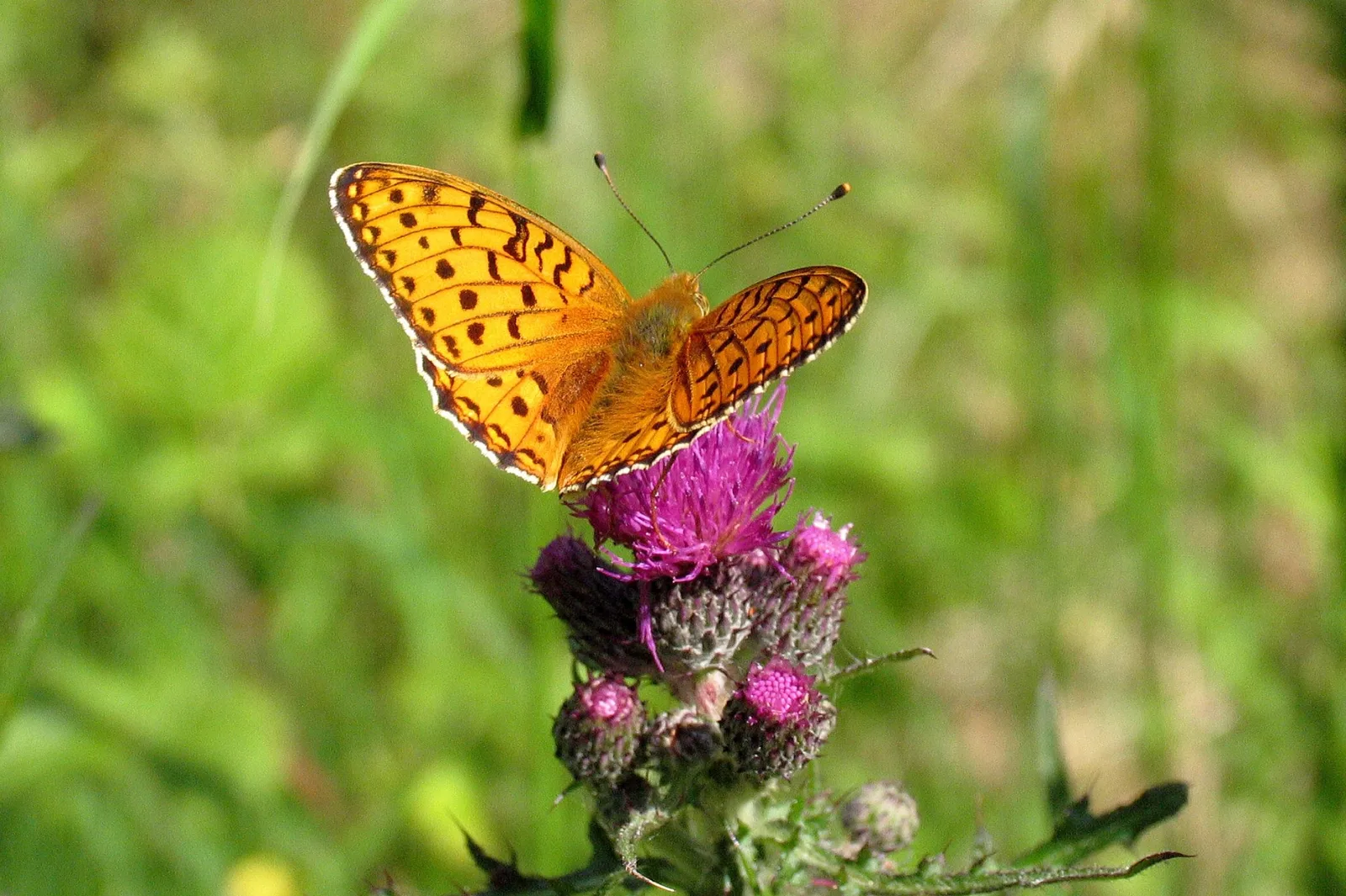
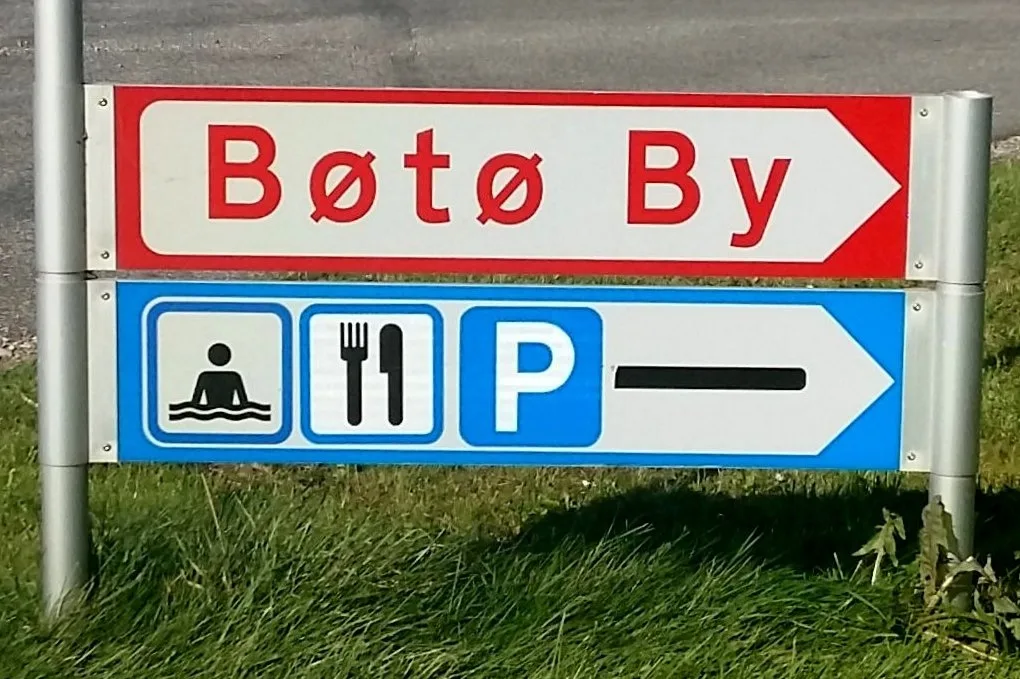
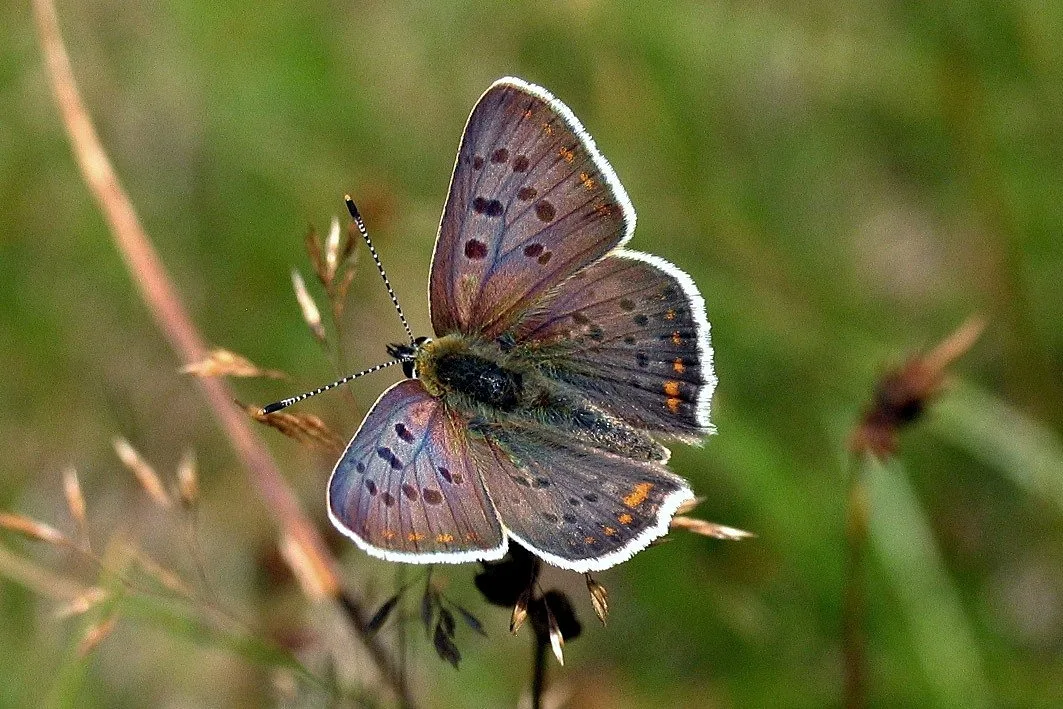
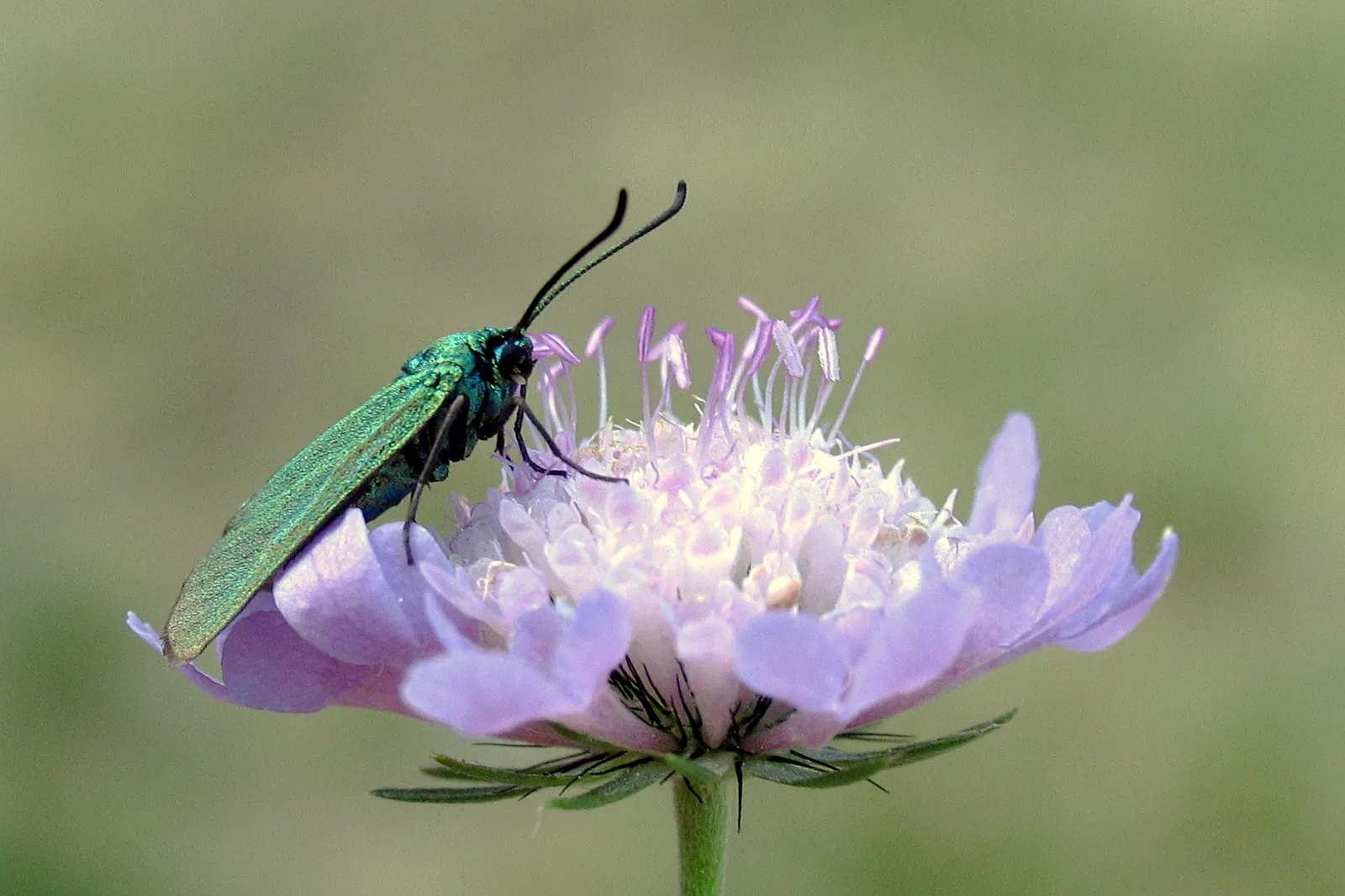
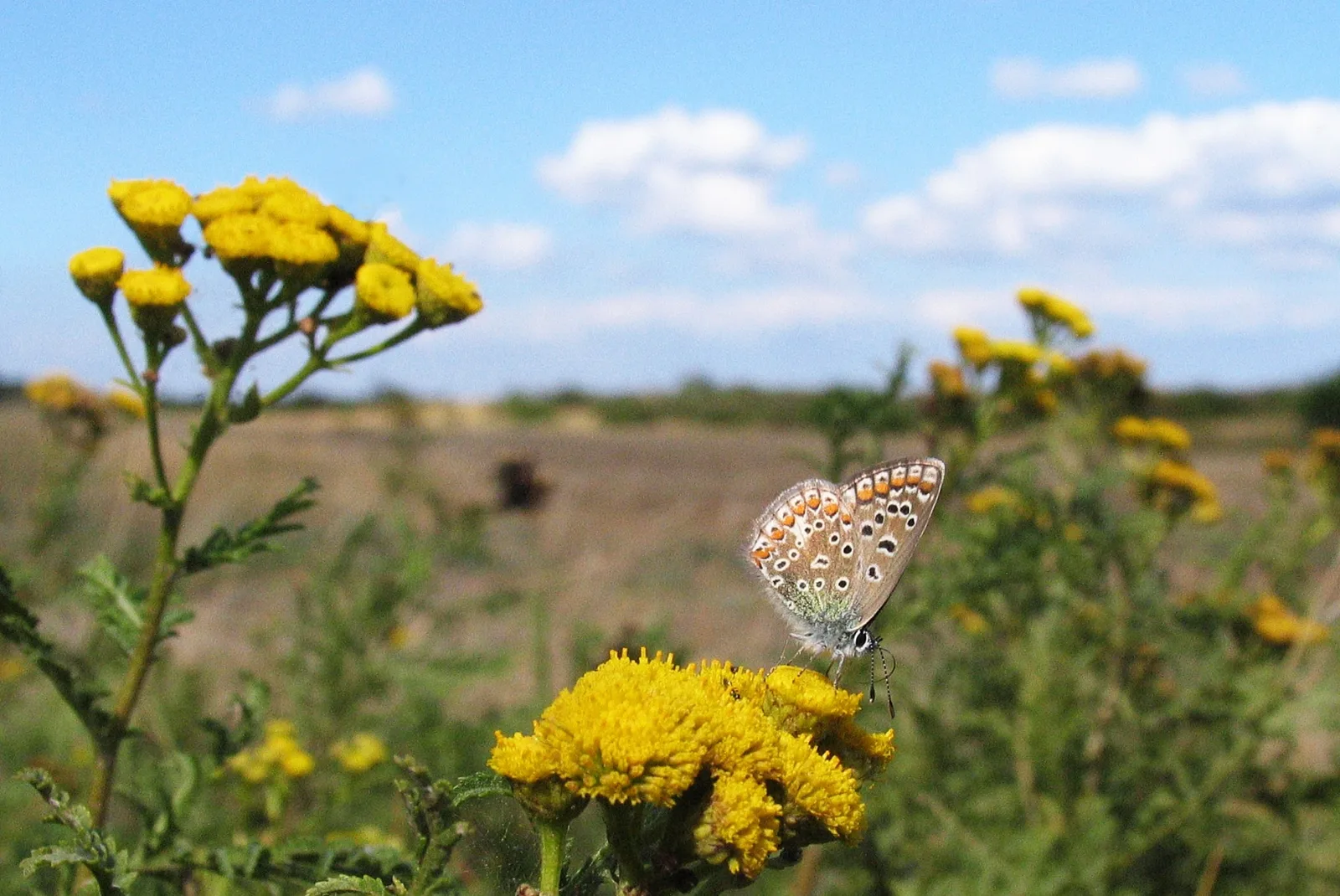
Today Bøtø is known as a popular summer house area that grew up along the fine sandy beach. Behind the beach the dike, Det Falsterske Dige, runs from Ulslev in the north to Gedser in the south. The dike dates from 1875 and is about 4 metres high and 17 km long. In summer the Marielyst-Bøtø-Gedesby stretch of the dike attracts many butterflies – small and large. Here the flowers Field Scabious, Tansy and Orpine are especially popular with the butterflies. The number of butterflies varies from year to year and is linked to fluctuations in the weather – in Denmark as well as abroad. The weather abroad affects the species that migrate here from the south. On and around the dike, among others, the Sooty Copper breeds – the only place in Denmark where it does.
Bøtø in pictures13 photos
Bøtøskoven
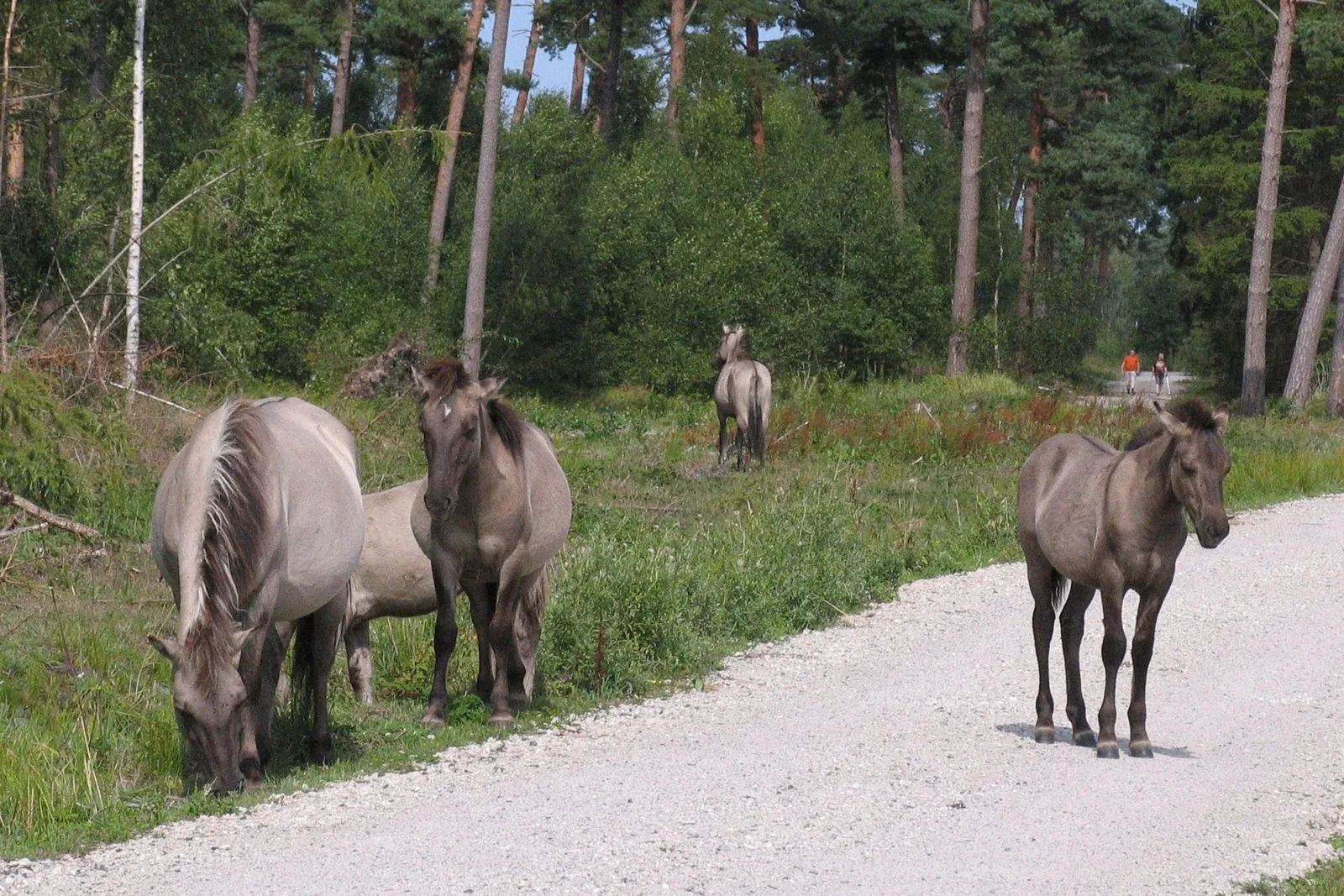
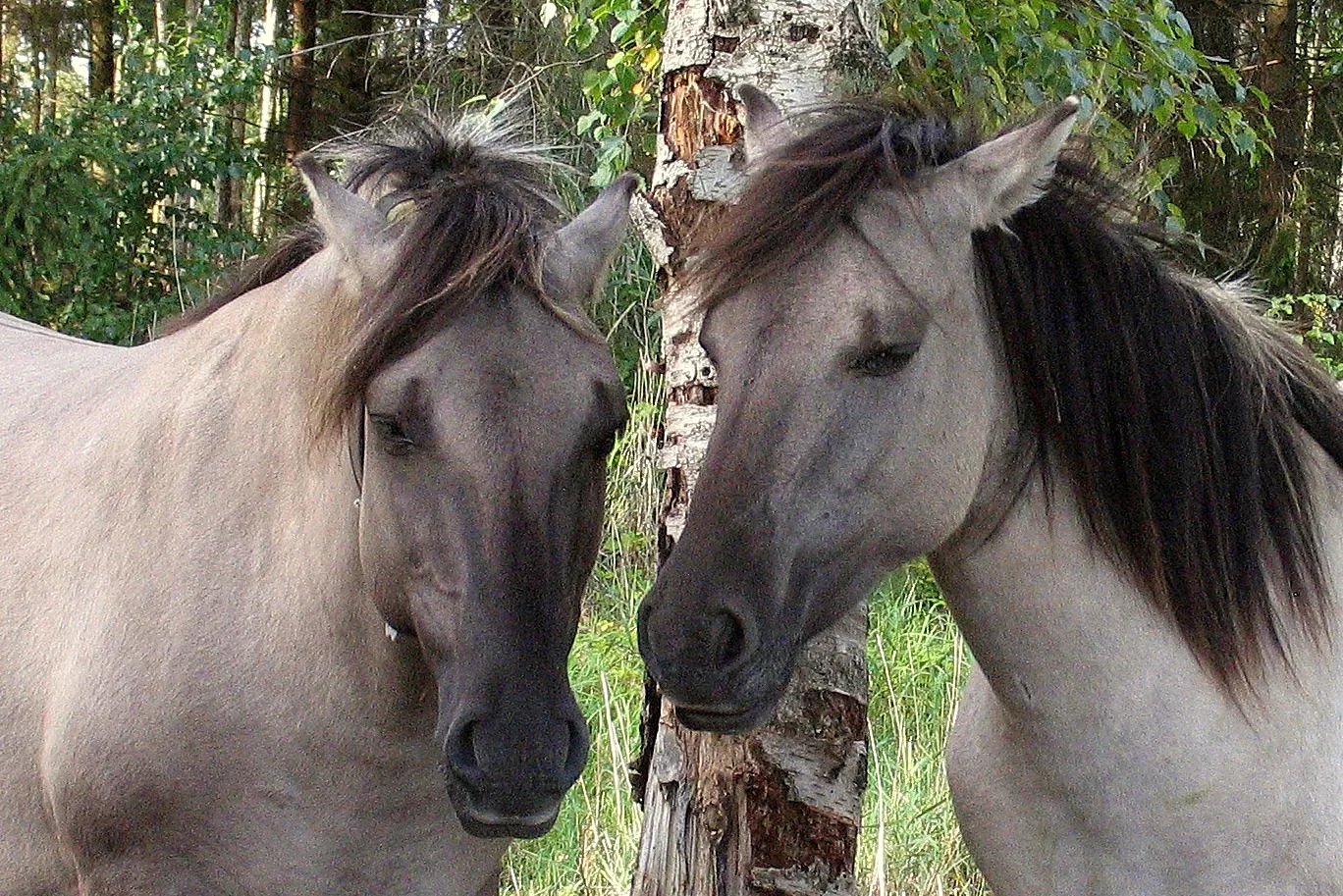
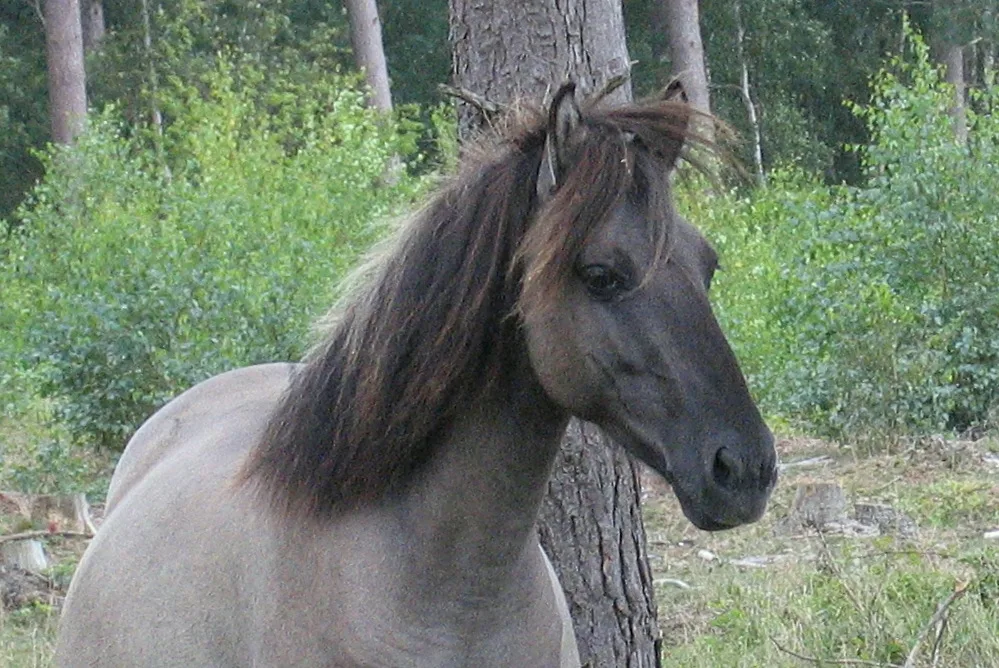
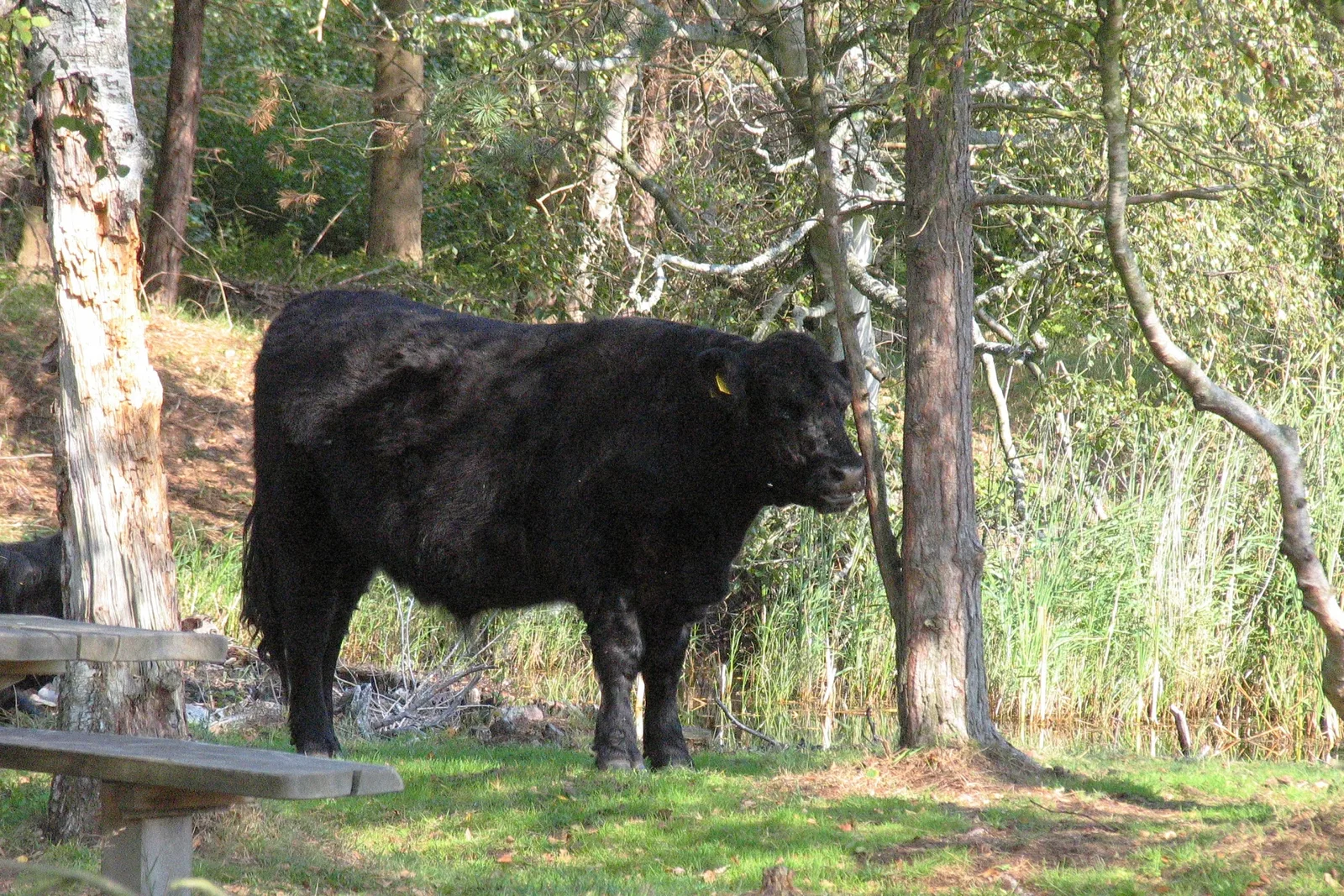
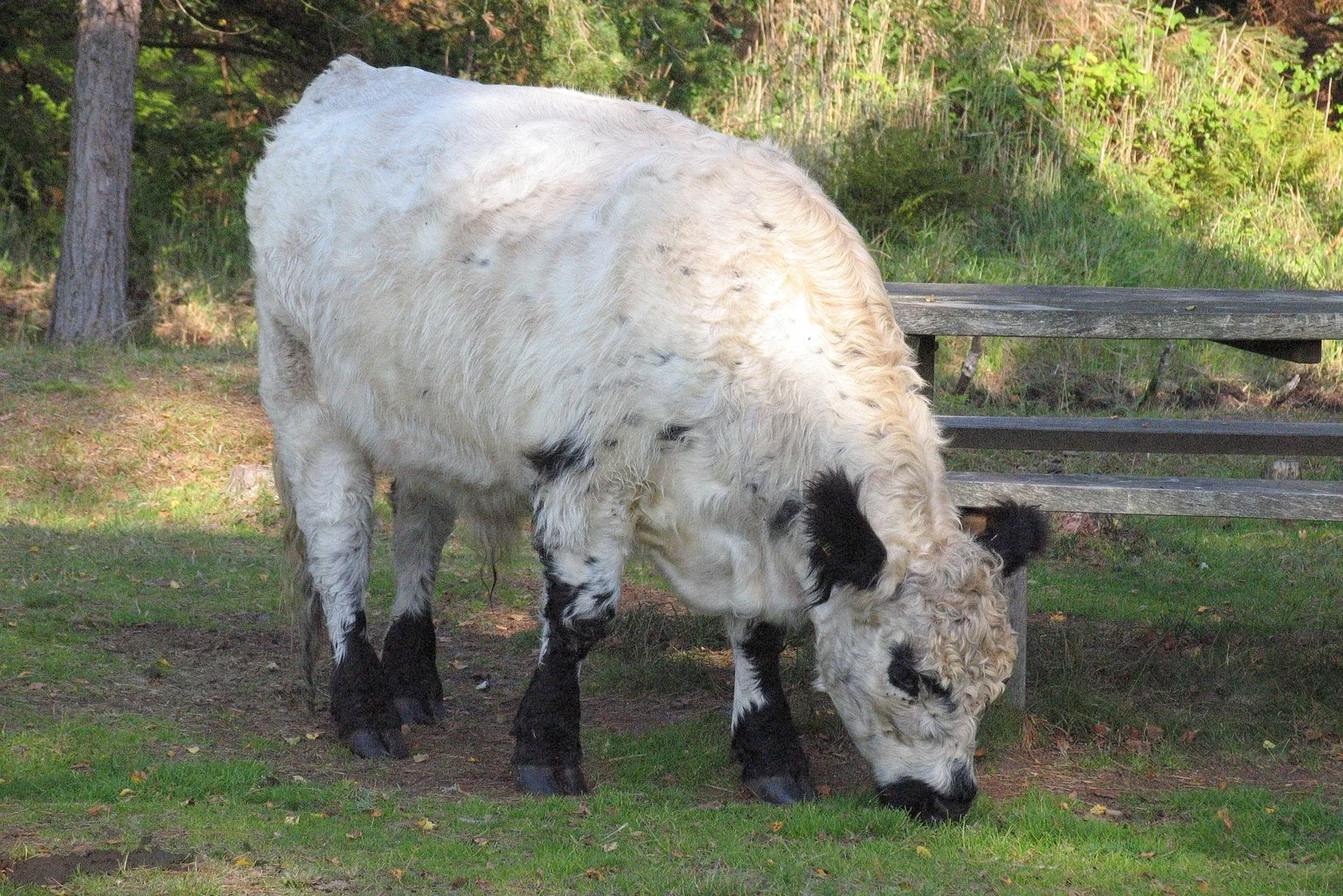
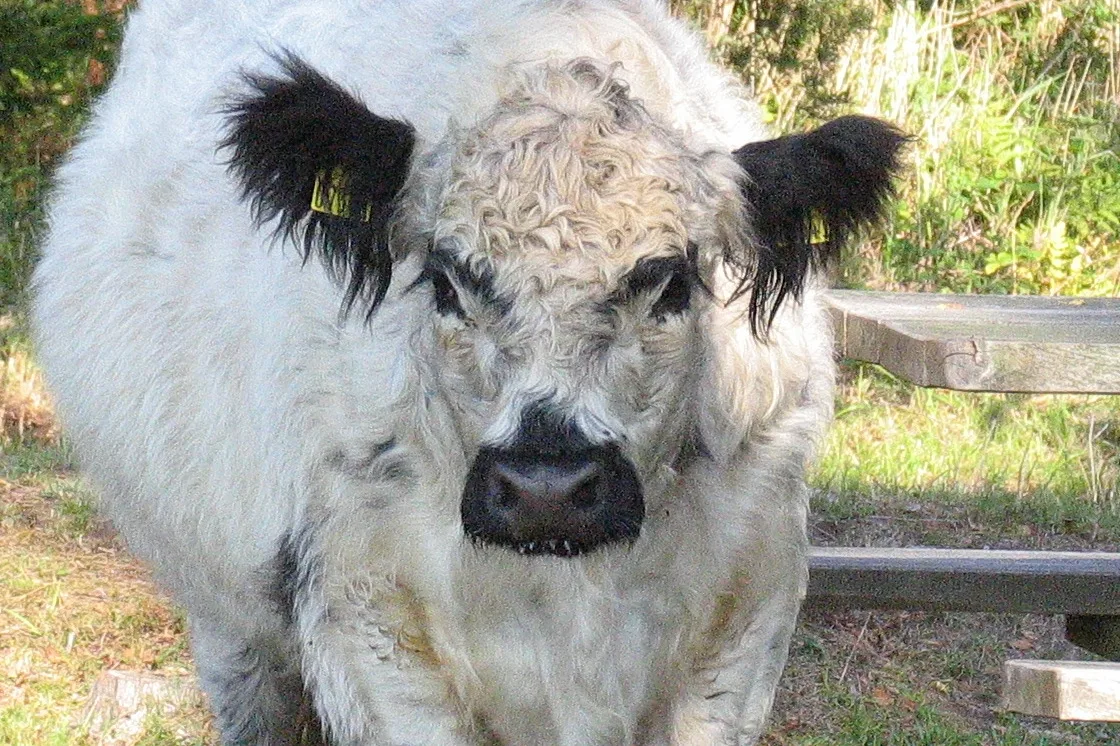
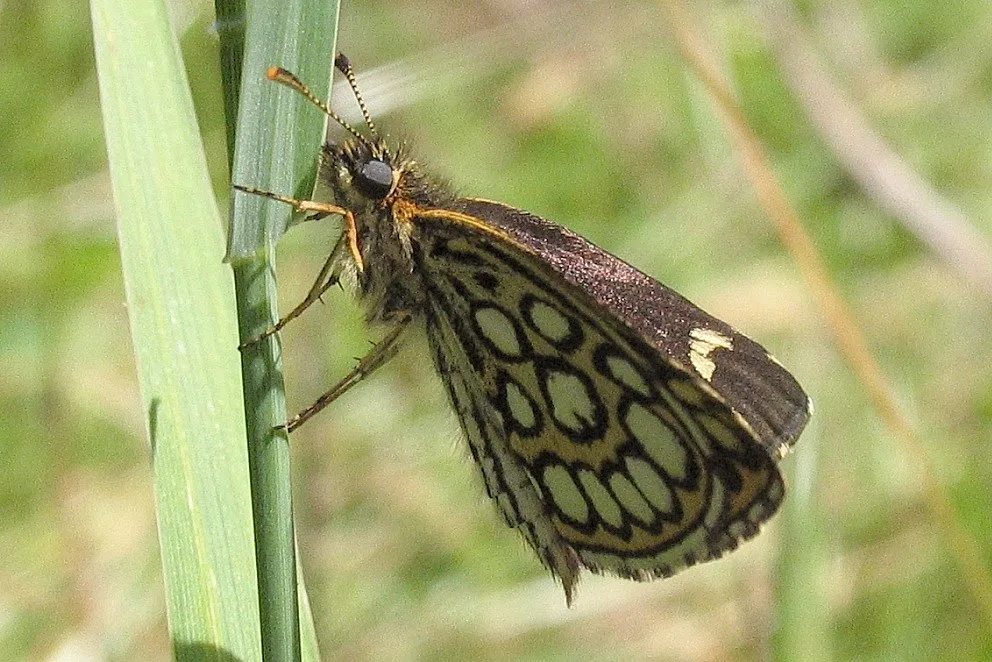
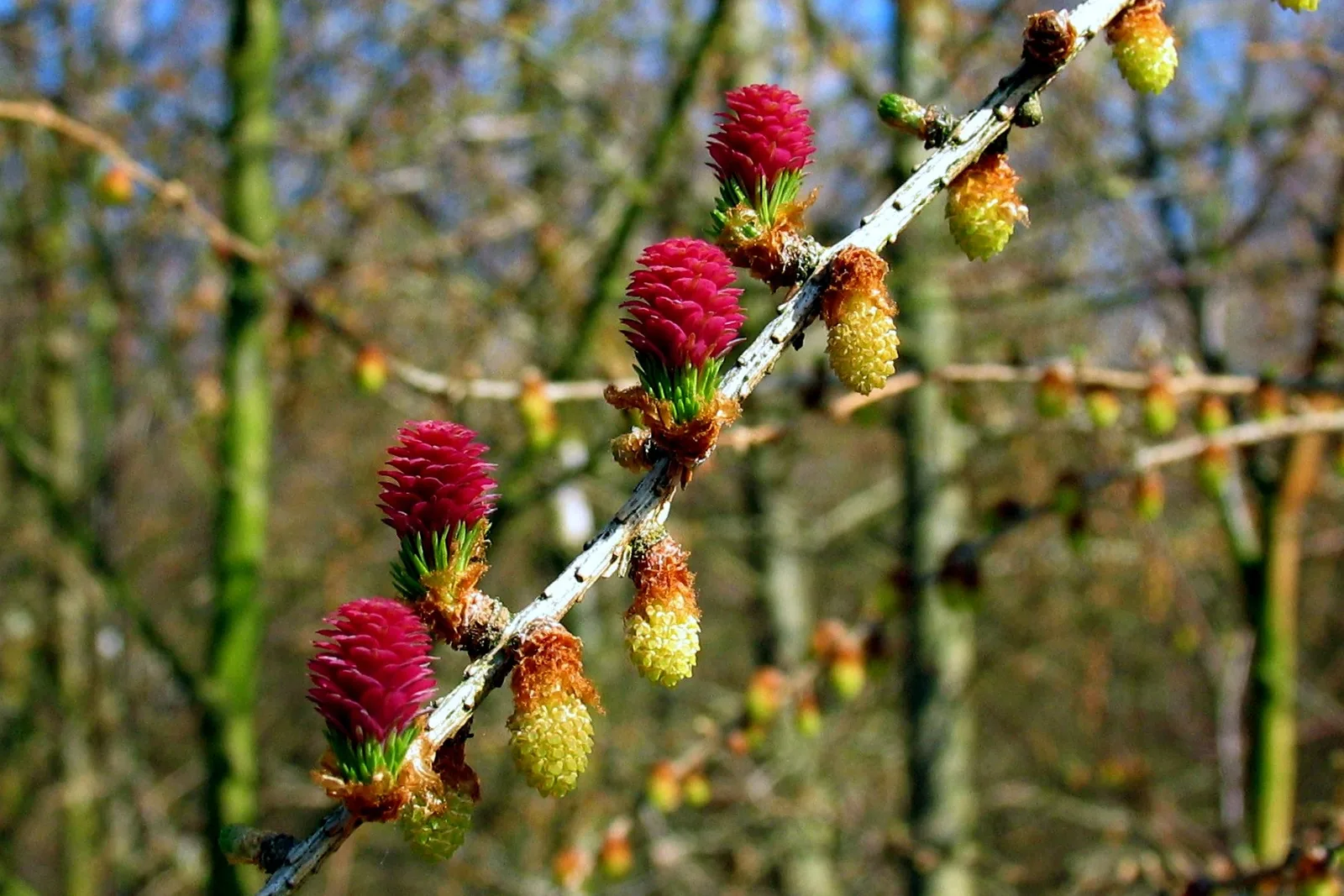
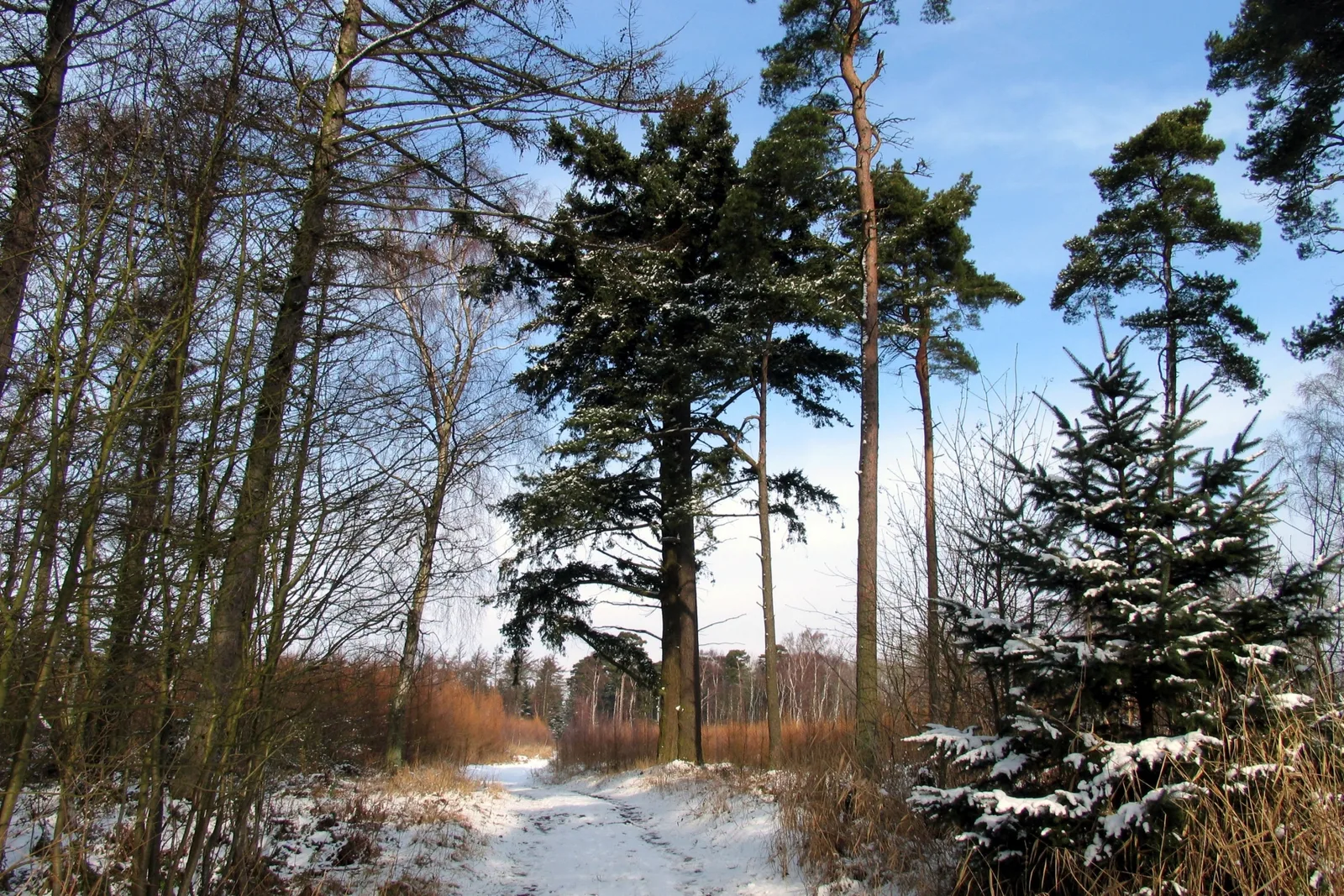
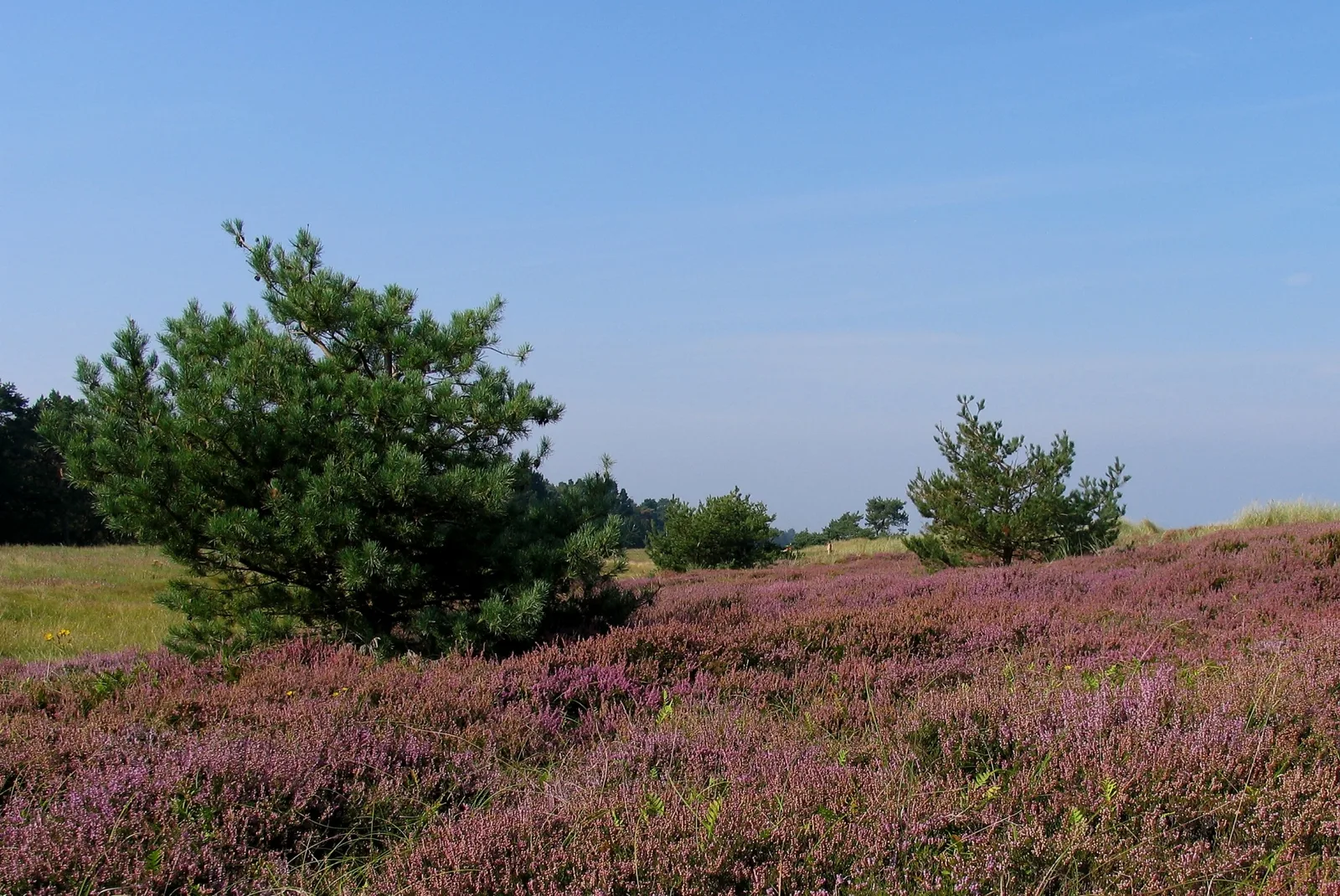
The woodland, originally called Bøtø Plantage and privately owned, at first consisted mainly of Scots Pine and smaller groups of birch and poplar, planted to protect the reclaimed land from drifting sand. Over the years Sitka Spruce, Norway Spruce and larch were added. In 2017 Den Danske Naturfond took over a large part of the plantation – 153 ha of the northern part of the wood, to be precise. This area is now called Bøtøskoven – a nature project in which many of the dense, dark stands of conifers have been removed, so that the wood is now lighter and more open. This is meant to give plants and animals better living conditions, with birds, bats and the many butterfly species of the area in mind, among others. Among the species breeding in the wood is the Large Chequered Skipper, a rarity that has only recently arrived. Bøtøskoven is now fenced, and Scottish Galloway cattle and North German wild horses have been released to take care of the ongoing management of the landscape.