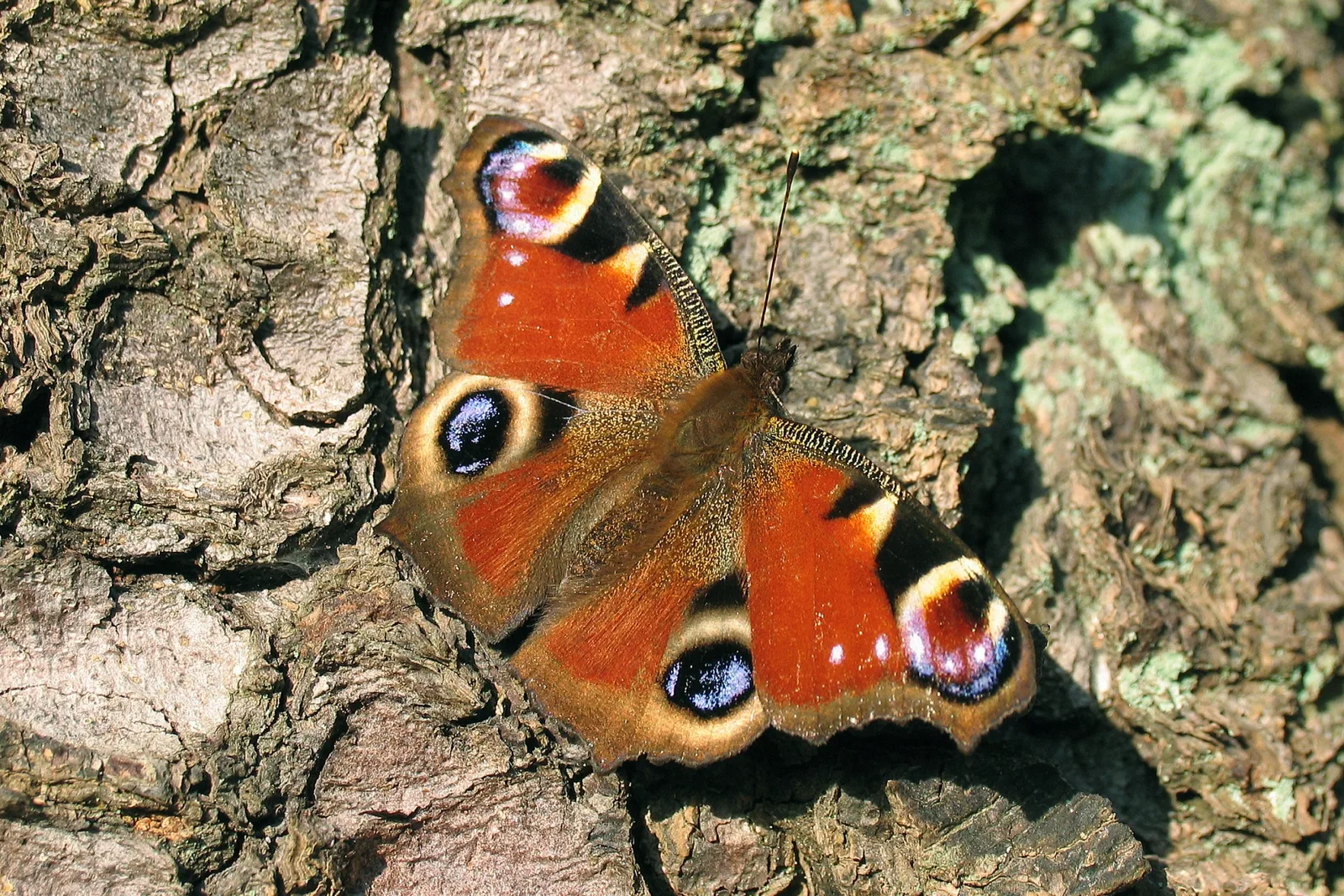
Butterflies and moths are a popular order of insects (Lepidoptera). After the beetles, they are the animal group with the most recorded species worldwide – around 175,000, of which some 18,000 are butterflies. The great majority are therefore moths, which include the insects we know in everyday speech as night-flying moths and clothes moths.
Read more
Butterflies and moths are thought to have existed on Earth for about 150 million years. The butterflies, however, are somewhat younger. They probably appeared about 75 million years ago. The oldest fossil of a butterfly is younger still – “only” about 55 million years old. And it is Danish – found in the mo-clay (moler) at Limfjorden.
In Denmark we have 67 species of butterfly that breed here regularly. A list of these species can be found here: Danish butterflies. In addition, some species from our neighbouring countries turn up in particular weather conditions. In general, our butterfly population is in decline. Because of the way society has developed, 12 species have disappeared over the last 75 years, while a few new ones have arrived or returned. Several species are now found only in very limited areas of the country, which makes their populations very vulnerable.
The moths of Denmark number about 2,500 species. The largest of them belong to the groups of owlet moths, geometers and “spinners” (bombycoid moths) – around 900 species in all, which together with the butterflies are known as macrolepidoptera. The remaining moths – known as micro-moths – include the tortrix moths and various other small moths.
What follows describes the butterfly's stages of development, its anatomy and other fascinating aspects – mostly with the butterflies as the starting point.
A butterfly's life
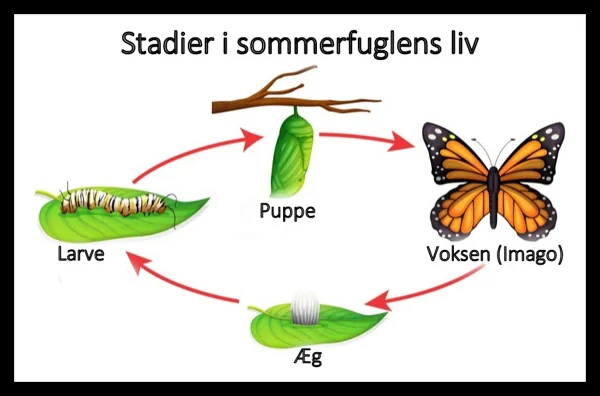 The butterfly’s life cycleA butterfly passes through 4 stages in its lifetime: egg, caterpillar, pupa and adult.
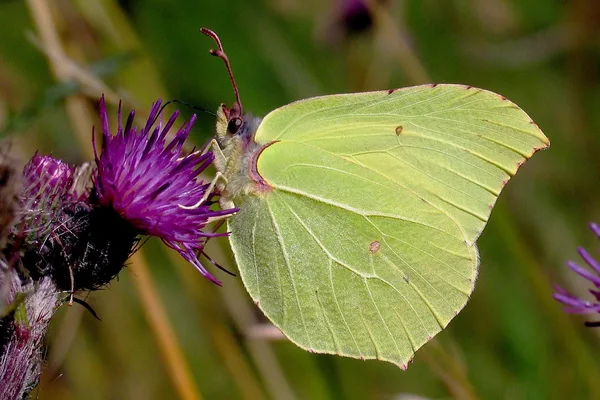 How long do butterflies live?Most butterfly species live for 2–4 weeks as adults, unless they meet an untimely end before then.
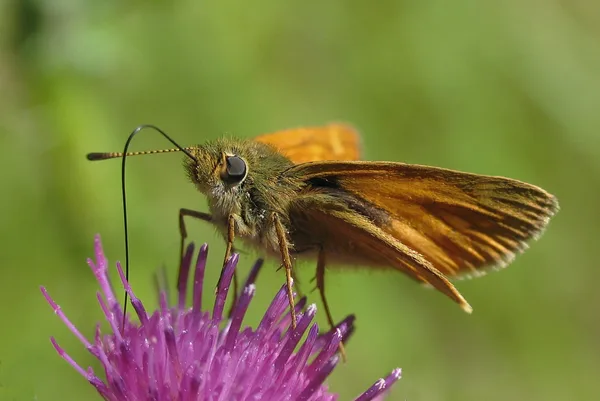 What do butterflies eat?As a caterpillar it is nothing but an eating machine.
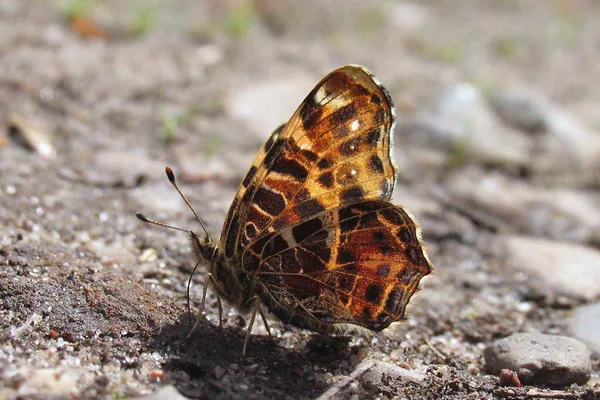 What do butterflies drink?Although butterflies get their food mainly in liquid form as nectar from plants, they also need water, just like every other living creature.
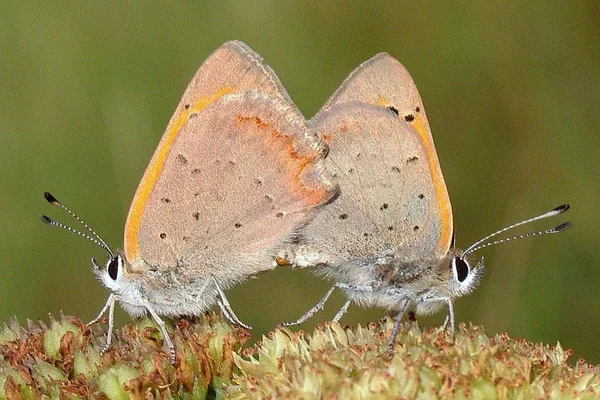 The butterfly’s love lifeIn a butterfly’s short adult life, mating is the top priority – for both sexes.
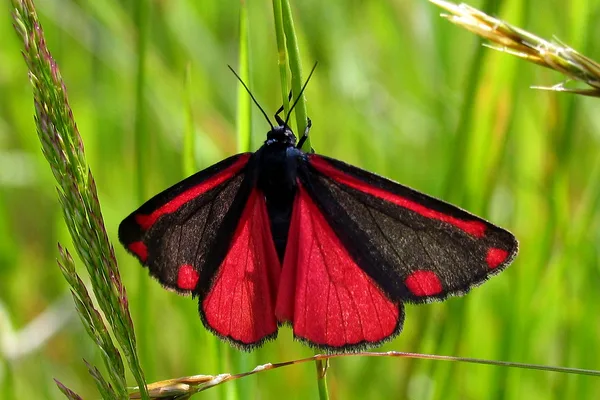 How butterflies defend themselvesButterflies and moths rank low in the food chain and have many natural enemies, such as birds, mice, dragonflies, wasps, bats and spiders.
Body and senses
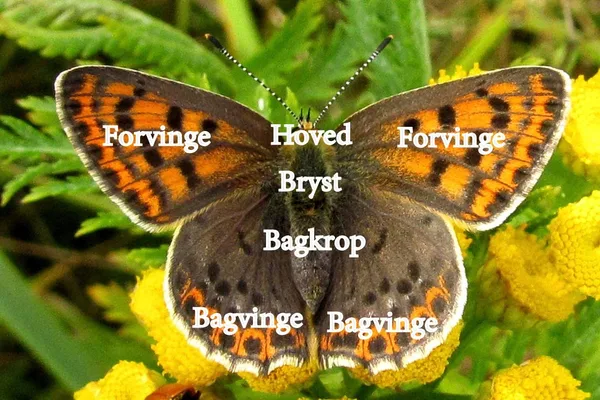 Butterfly anatomyLike all insects, butterflies have a tough outer skeleton (exoskeleton).
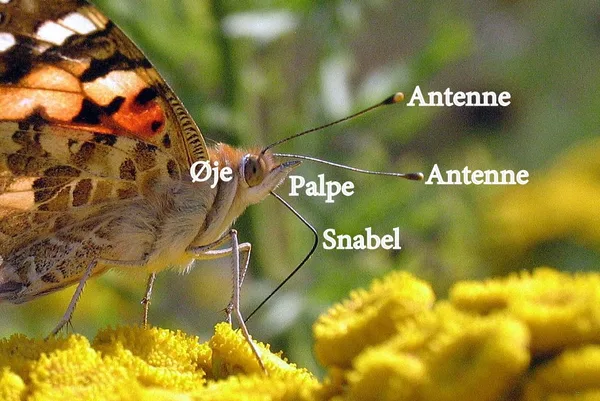 The butterfly’s headA butterfly has large eyes, which actually consist of several thousand tiny individual eyes.
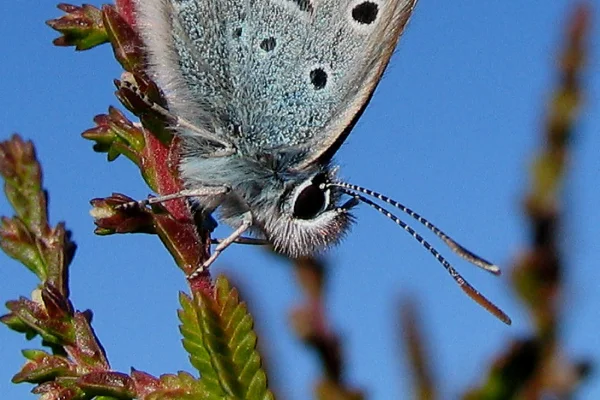 Butterfly antennaeThe antennae are the butterfly’s nose, with which it can sniff out flowers with nectar and the right mate.
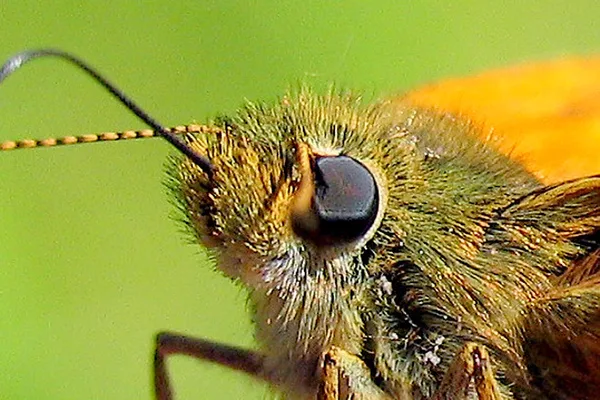 How butterflies seeButterflies are short-sighted and see well within 3–4 metres.
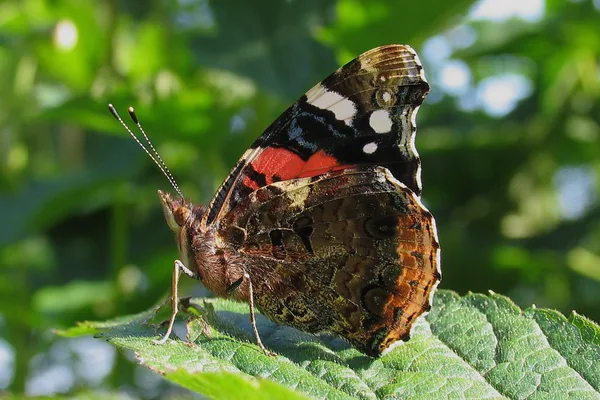 Can butterflies hear?Yes, but it does not have ears like ours.
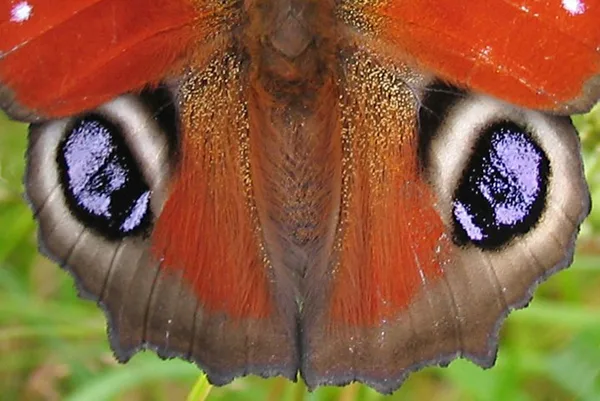 Butterfly wings and scalesA butterfly’s wings consist of a thin, transparent double membrane stiffened by a network of veins.
Weather and seasons
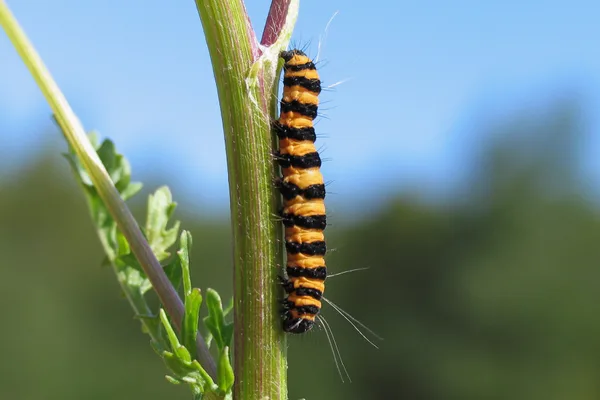 Butterflies and the weatherThe weather has a great influence on the ability of butterflies and moths to survive and breed.
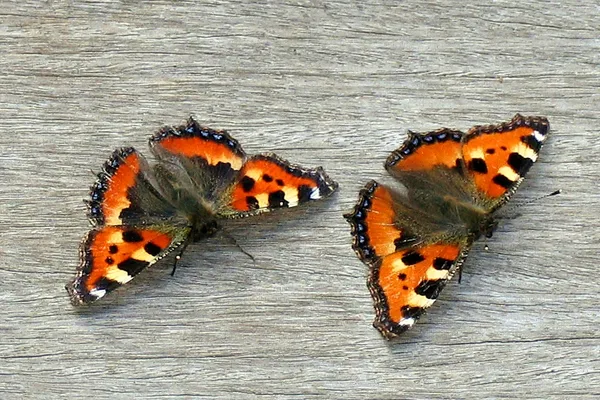 Butterflies need warmthButterflies and moths are cold-blooded, like all other insects.
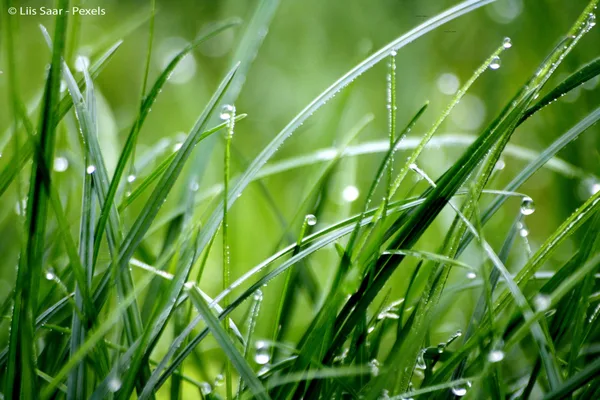 Where do butterflies go when it rains?Butterflies take shelter when it rains and in strong winds.
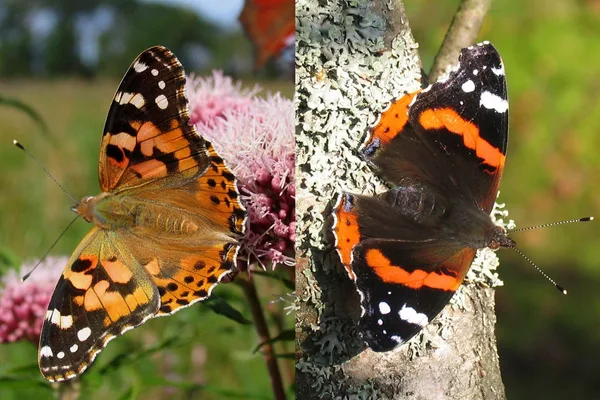 Migrant butterfliesSome butterflies and moths migrate over long distances.
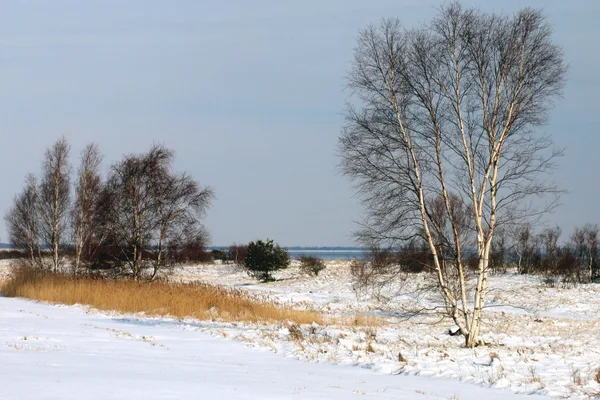 Where are butterflies in winter?A few butterflies – including the Red Admiral and the Painted Lady – migrate south to warmer climes in late autumn.
Denmark and records
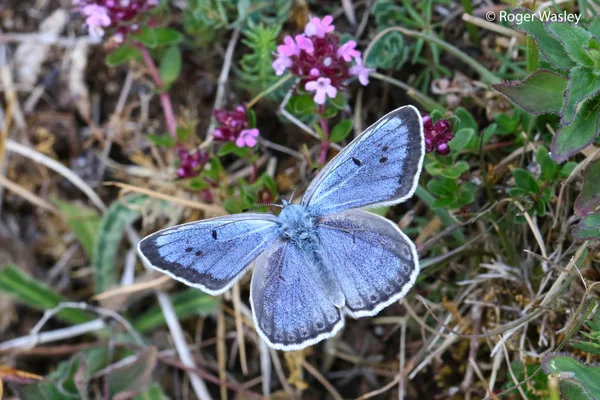 Denmark's rarest butterflyIn everyday speech the Large Blue has earned the title of our rarest butterfly.
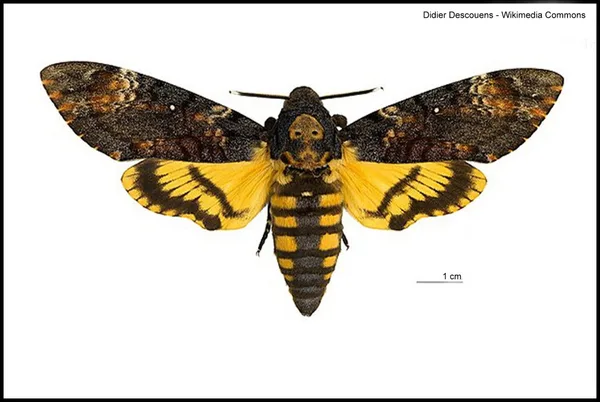 Denmark's largest butterflyOur largest butterfly or moth is the Death's-head Hawk-moth, the female of which can have a wingspan of up to 135 mm – the same as the wingspan of our smallest …
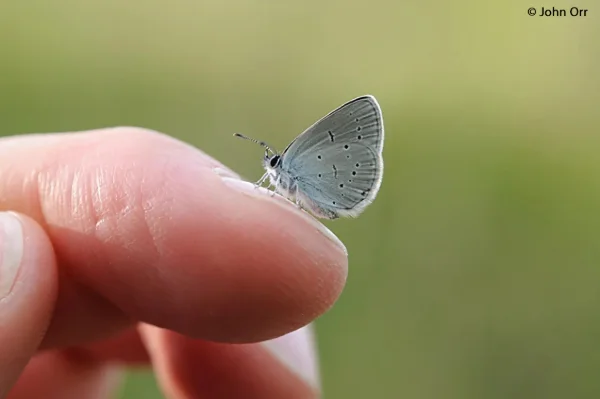 Denmark's smallest butterflyThe Small Blue (Cupido minimus) is our smallest butterfly.
 A word on speed and altitudeButterflies normally fly at between 8 and 20 km per hour.
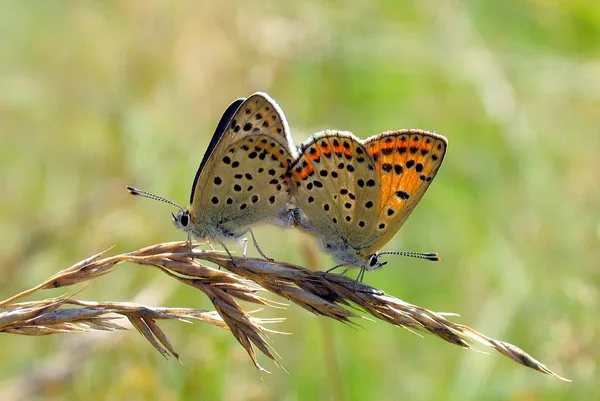 Threatened butterfly speciesOur animals and plants are generally in decline – and that includes our butterflies.
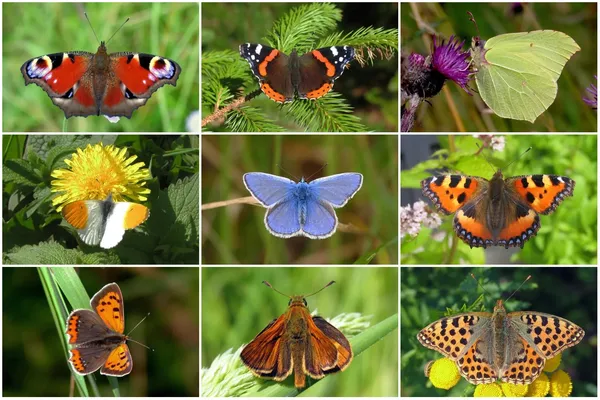 Danish butterfliesAn overview of the butterflies that breed regularly in Denmark.
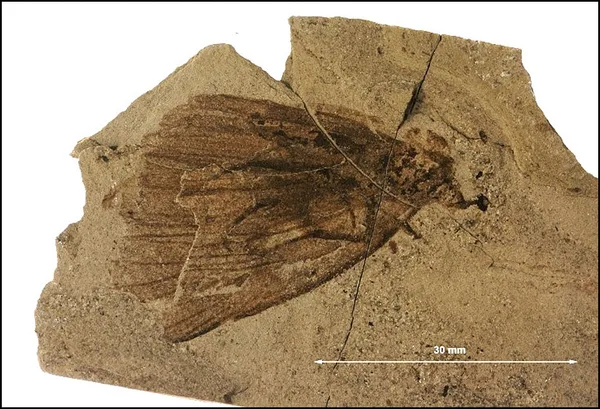 The secrets of the molerFossils found in the moler (diatomite) along Limfjorden show that, among other creatures, butterflies lived in Denmark some 55 million years ago.
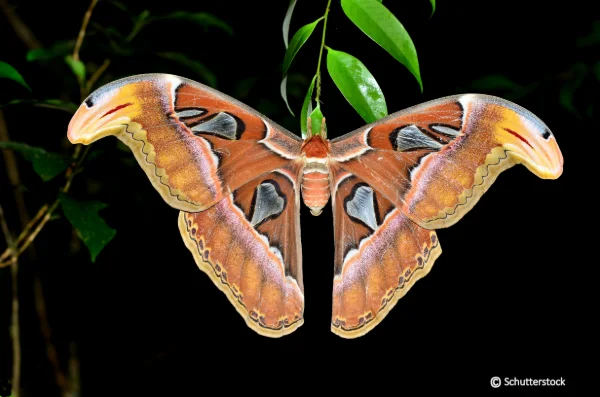 Butterfly record listFinally, a few butterfly world records: Queen Alexandra’s Birdwing (largest butterfly) Atlas Moth (largest moth) Western Pygmy Blue (possibly the smallest …